
The Unforeseen Gaze: How VR Immersion Transforms Player Perspective – A Deadpool Experience Deep Dive









Popular Now
 Free Fire
 Minecraft
 FIFA 23
 League of Legends
 Grand Theft Auto V
 Fortnite
 Black Myth: Wukong
 Genshin Impact
 EMI Calculator App & Loan EMI
 Candy Crush Saga
 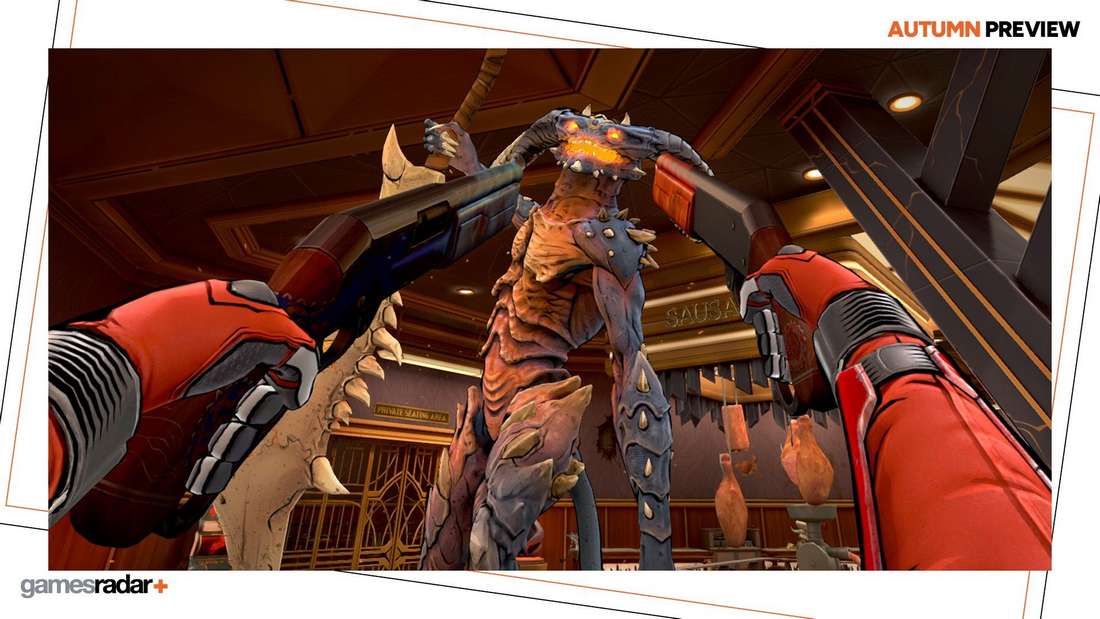 Virtual Reality (VR) continues to push the boundaries of immersive entertainment, offering players perspectives and interactions previously unimaginable in traditional gaming. Recent advancements in hardware and software fidelity enable developers to craft worlds where every detail, from the grand vistas to the most minute character models, contributes to an overarching sense of presence. It is within this highly detailed and often unpredictable landscape that truly unique player experiences emerge, sometimes blurring the lines between the planned narrative and emergent gameplay. This deep dive explores one such extraordinary session within a high-fidelity VR simulation featuring the iconic mercenary, Deadpool, a session that offered an unforeseen and profoundly analytical viewpoint on character design and player immersion.
The specific VR environment in question, an unreleased combat simulation prototype featuring advanced physics and highly detailed character models, promised an unparalleled engagement with the chaotic world of Wade Wilson. As an industry reviewer and enthusiast, the objective was to critically assess its combat mechanics, narrative integration, and overall technical performance. Little did I anticipate that the most memorable takeaway would stem from a moment of in-game incapacitation, leading to an entirely new understanding of environmental and character rendering in VR.
The Decapitation Incident: A Glitch or a Feature?
The pivotal moment occurred during an intense skirmish, a test of the prototype’s ragdoll physics and damage modeling. Following a particularly brutal blow from an enemy, my in-game avatar experienced what can only be described as a virtual decapitation. While disorienting, this event did not immediately trigger a respawn or a ‘game over’ screen. Instead, the game’s engine, in an intriguing display of persistent rendering, maintained my perspective from the detached head of the avatar. This unexpected viewpoint, rather than breaking immersion, amplified it in a peculiar way, transforming the experience from a typical first-person shooter into an out-of-body analytical observation.
This unconventional perspective immediately highlighted the robustness of the VR engine. The lack of an instant fade-to-black or immediate reload indicated a design choice, or perhaps an unforeseen emergent behavior, that allowed for sustained environmental rendering even under extreme player state changes. For game developers, this offers a fascinating case study in handling player death within VR: does immediate cessation of the experience truly serve immersion, or can alternative, even morbid, perspectives offer unique insights into the game world and its systems?
 An Unconventional Study in Character Detail: Deadpool’s Digital Anatomy
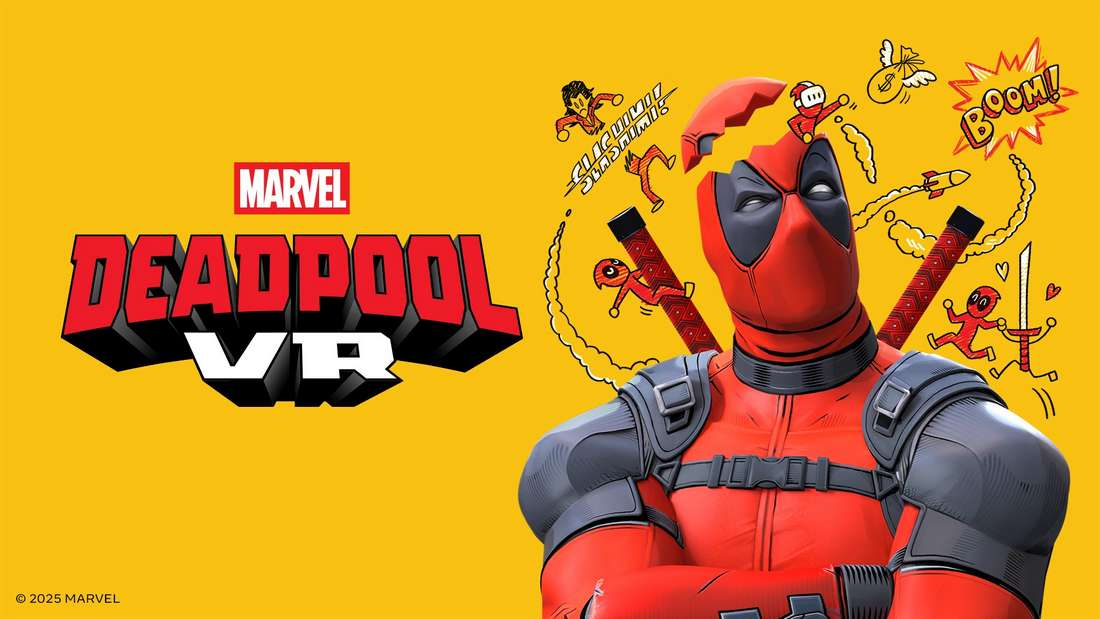 An Unconventional Study in Character Detail: Deadpool’s Digital Anatomy
It was in this surreal, decapitated state that the subsequent, and perhaps most unusual, observation took place. The battle raged on, and my detached viewpoint was jostled and repositioned by the ongoing physics simulation. As the combat continued around me, the incapacitated Deadpool character model, caught in the throes of the virtual skirmish, was inadvertently rotated and positioned in such a way that offered an extended, unobstructed view of his rear. This was not a moment of salacious voyeurism, but rather a compelling and unexpected examination of high-fidelity character modeling.
For an extended period, the dynamic physics of the ongoing battle presented Deadpool’s posterior in various angles and lighting conditions. What might seem trivial in a standard 2D game took on a new significance in VR. The intricate stitching on his suit, the subtle folds in the fabric as his limbs moved, the texture mapping that emulated real-world materials – all were rendered with astonishing detail. This unusual focus provided a unique opportunity to appreciate the meticulous effort put into character design, even in areas that players are not typically meant to scrutinize with such intensity.
- Texture Fidelity: The minute details of the suit’s material, including slight scuffs and worn areas, became strikingly apparent.
- Subtle Animation: The way the fabric stretched and wrinkled with movement, demonstrating advanced skeletal animation and skinning techniques.
- Lighting Interaction: How different light sources, both environmental and dynamic, interacted with the suit’s texture, revealing depth and realism.
- Physics-Driven Deformation: The slight give and deformation of the character model based on environmental interactions, showcasing advanced physics integration.
This experience underscores a critical aspect of VR development: every angle matters. In a medium where players can physically move and examine their surroundings from arbitrary viewpoints, developers must ensure that character models and environmental assets maintain their fidelity and detail from all possible perspectives. This isn’t just about front-facing realism; it’s about comprehensive, 360-degree authenticity.
The Analytical Lens: Deconstructing VR Immersion
The incident served as an unexpected masterclass in how VR profoundly alters player perception and interaction. In a traditional game, a character’s