
Baldur’s Gate 3: Unveiling the Secrets of the Necromancy of Thay – A Comprehensive Guide to Its Power and Peril










Popular Now
 Free Fire Max
 Fortnite
 R.E.P.O
 Minecraft
 Among Us
 Fortnite
 Brawl Stars
 PUBG Mobile
 Auto X Drift Racing 3
 Candy Crush Saga
 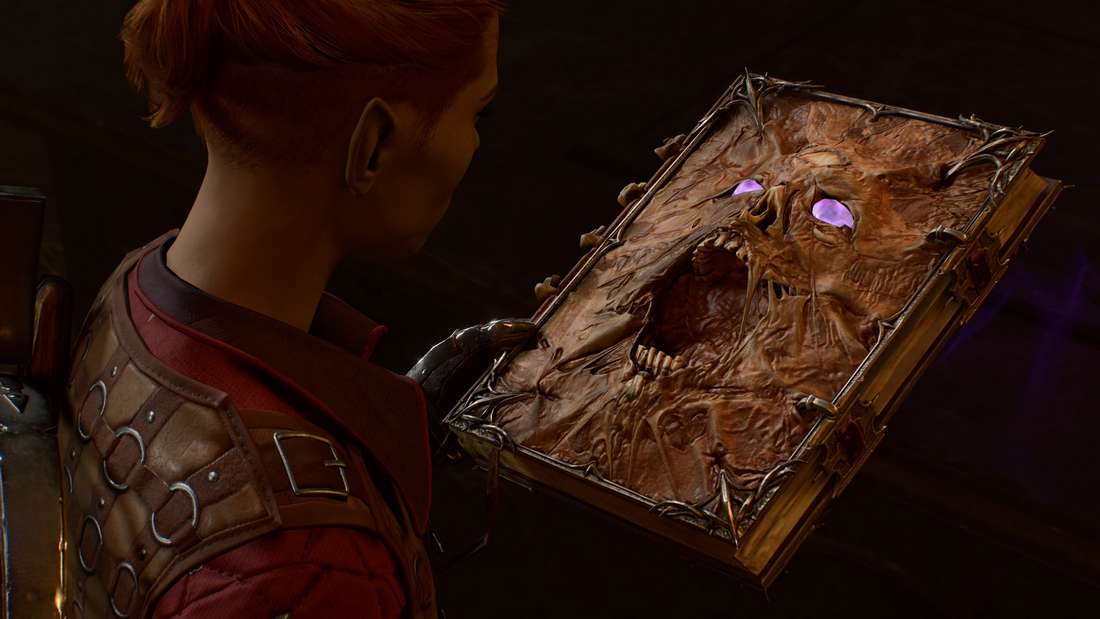 Baldur’s Gate 3, Larian Studios’ critically acclaimed RPG masterpiece, is replete with moral quandaries, powerful artifacts, and decisions that echo through its expansive narrative. Among the most intriguing and impactful discoveries for many players is the Necromancy of Thay, a dark grimoire brimming with forbidden knowledge and potential power. This ancient tome represents a pivotal choice point early in the game, offering formidable magical abilities at a potentially steep price. Understanding the full scope of this artifact – from its acquisition to its ultimate consequences, particularly its connection to the Tharchiate Codex in Act 3 – is crucial for any adventurer seeking to optimize their playthrough or simply delve deeper into the game’s rich lore and complex mechanics.
This guide aims to dissect the myriad options available to players upon encountering the Necromancy of Thay, exploring the benefits, risks, and strategic considerations for each path. Whether you’re a seasoned RPG veteran or a newcomer to the Forgotten Realms, mastering the nuances of this dark relic can profoundly shape your journey, character progression, and the very fate of your companions. Prepare to make a choice that could define your legacy as a hero, or perhaps, something far more sinister.
Locating the Necromancy of Thay: A Journey into the Whispering Depths
The first step in grappling with the Necromancy of Thay is, naturally, finding it. This insidious book is hidden within the Whispering Depths, an unsettling cave system accessible via the Blighted Village in Act 1. To reach it, players must navigate through a cellar beneath a ruined house in the village. Upon descending, an illithid mind flayer’s corpse hints at the horrors below. The entrance to the Whispering Depths is cleverly concealed behind a bookcase that can be moved.
- Accessing the Whispering Depths: Travel to the Blighted Village, locate the well, and look for a ruined house nearby. Enter the cellar.
- The Spider Matriarch’s Lair: The Necromancy of Thay is situated near the entrance to the formidable Spider Matriarch’s Lair, specifically within a hidden chamber. Players will need to either destroy a websac blocking the path or jump over a gap to reach it.
- The Coffin: The book itself is encased within a locked, ornate coffin. Opening this coffin requires a successful skill check – typically a Strength or Dexterity check – but can also be bypassed by locating a small, unassuming key nearby, often found on a skeleton.
Once the coffin is open, the imposing presence of the Necromancy of Thay becomes undeniable. Its dark cover and pulsating aura immediately convey its dangerous nature, setting the stage for one of Baldur’s Gate 3’s most compelling early-game decisions.
 The Initial Interaction: Opening the Ancient Tome
 The Initial Interaction: Opening the Ancient Tome
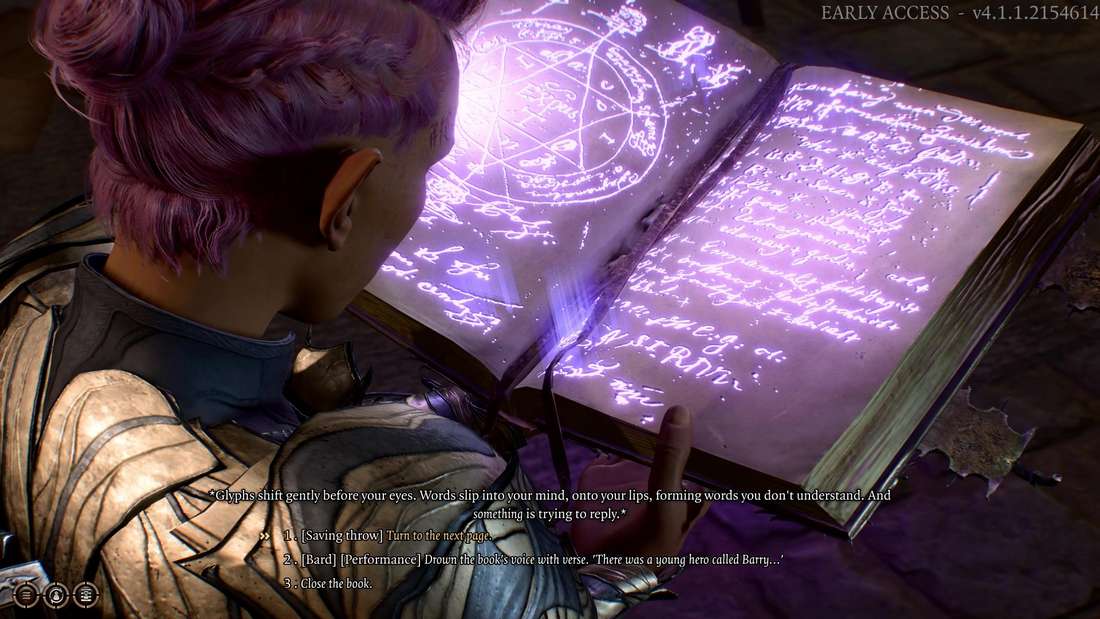
Possessing the Necromancy of Thay is one thing; unlocking its secrets is another entirely. The book is sealed, requiring a series of successful skill checks to even peek inside. This initial interaction is crucial, as failure can have immediate and detrimental consequences for your character.
- Skill Checks for Opening: To begin reading, your chosen character (or avatar) will need to pass three increasingly difficult skill checks:
- Wisdom Saving Throw (DC 10): Represents your character’s willpower and resistance to the book’s dark influence. Failure can result in minor negative status effects or even a temporary disadvantage.
- Intelligence Saving Throw (DC 15): Tests your character’s ability to decipher the ancient, malevolent script without succumbing to madness. Failing this check can lead to more significant mental debuffs.
- Charisma Saving Throw (DC 20): A final, arduous test of your character’s inner strength to assert control over the tome’s inherent evil, rather than being controlled by it. This is the hardest check, and failure here can be particularly punishing, sometimes leading to a permanent stat reduction or a significant negative condition.
- Consequences of Failure: Failing any of these checks can result in the ‘Forbidden Knowledge’ condition, which imparts various debuffs. More severely, critical failures can lead to permanent Wisdom loss, reducing one of your character’s core attributes indefinitely. This early warning emphasizes the gravitas of engaging with such potent artifacts.
- The ‘Speak with Dead’ Reward: Successfully passing these initial checks grants the reader a powerful reward: the ability to cast Speak with Dead. This spell, typically restricted to specific classes, allows you to question corpses and gain invaluable insights into past events, often unlocking new questlines or hidden lore. This utility makes even the initial interaction highly appealing for many players.
However, gaining Speak with Dead is merely the first step. The true power of the Necromancy of Thay lies deeper within its pages, accessible only to those brave – or foolhardy – enough to commit fully to its dark teachings.
The Core Dilemma: What to Do With the Necromancy of Thay
Once you’ve successfully opened the book and potentially gained the Speak with Dead spell, you’re faced with the fundamental choice: to delve further, to save it, or to destroy it. Each path offers a distinct set of rewards, risks, and narrative implications.
Option 1: Read All Pages and Embrace Its Full Power
This is arguably the most tempting and dangerous option. Committing to fully reading the Necromancy of Thay requires an additional series of rigorous checks and potentially permanent sacrifices, but promises unparalleled necromantic power.
- Further Skill Checks: To read all pages, your character will face a final, incredibly difficult series of Wisdom saving throws. These checks are even more challenging than the initial ones (DC 20 or higher). Failing these can again lead to permanent Wisdom reduction, a significant drawback for many builds, especially spellcasters.
- The Ultimate Reward: Danse Macabre: Succeeding in all checks grants the reader the legendary ability to cast Danse Macabre. This powerful spell allows you to summon six ghouls to fight alongside you. These ghouls are not merely cannon fodder; they can inflict Paralysed conditions on enemies, making them incredibly potent in combat scenarios. This is an immense power spike, especially in the early to mid-game, offering substantial tactical advantages.
- Strategic Considerations:
- Necromancer’s Dream: For players building a Necromancy Wizard, Warlock, or even a Shadow Monk, this ability perfectly complements their thematic and mechanical strengths.
- Resource-Free Summoning: Danse Macabre is a unique spell because it doesn’t consume a spell slot, making it an incredibly efficient way to bolster your party’s combat presence.
- Risk vs. Reward: The potential for permanent Wisdom loss makes this a high-stakes gamble. Characters relying heavily on Wisdom (Clerics, Druids, certain Monks, and Paladins for their saving throws) might find this too risky, while Intelligence-based casters or martial characters might be more willing to accept the trade-off. It’s often recommended to use a character with high Wisdom or proficiency in Wisdom saving throws, or to save scum (save and reload) if you are determined to get the power without the penalty.
Option 2: Save the Book for a Companion or Later Use
 Option 2: Save the Book for a Companion or Later Use
Not every character is suited to wield the Necromancy of Thay’s power directly. Fortunately, the book can be given to certain companions, or simply stored for a later decision.
- Gale’s Questline: The most significant reason to save the Necromancy of Thay is for your companion, Gale. As a powerful Wizard afflicted by a magical orb, Gale constantly seeks magical artifacts to satiate its hunger. Giving him the Necromancy of Thay is one option to help him temporarily manage his condition, progressing his personal quest. While it doesn’t grant him new powers related to the book, it’s a valuable item for his story arc and strengthens your bond with him.
- Narrative Implications: Holding onto the book without reading it can lead to various dialogue options with companions who might comment on its dark aura or your decision to keep such an item. It offers role-playing opportunities without committing to its immediate dangers.
- No Immediate Power: The downside to this option is obvious: your party misses out on the immediate combat advantages of Speak with Dead or Danse Macabre.
Option 3: Destroy the Necromancy of Thay
For players committed to a good-aligned playthrough, or those simply unwilling to risk their character’s sanity and stats, destroying the book is a viable and morally sound choice.
- How to Destroy It: The Necromancy of Thay can be destroyed by attacking it directly. It has a surprisingly high amount of hit points, and you’ll need to deal substantial damage to shatter its binding and dissipate its dark energies. Using spells like Eldritch Blast or powerful melee attacks are effective.
- The Consequence: Destroying the book prevents any character from gaining its powers, but also removes the temptation and the risks associated with it. There are no direct rewards for destroying it, but for some players, the peace of mind and adherence to a virtuous path are rewards enough.
- Role-Playing: This option reinforces a character’s commitment to resisting evil and upholding righteousness, fitting perfectly into a ‘heroic’ or ‘good-aligned’ narrative.
The Tharchiate Codex: Unlocking True Necromantic Mastery in Act 3
This is where the decision regarding the Necromancy of Thay takes on an even greater long-term significance. Many players might not realize that fully reading the Necromancy of Thay in Act 1 is a crucial prerequisite for unlocking even greater necromantic power much later in the game, specifically in Act 3 with the Tharchiate Codex.
- The Codex’s Location: The Tharchiate Codex is found in the depths of the House of Hope, Raphael’s infernal domain in Act 3. Accessing this area is a significant late-game quest.
- The Connection: If your character successfully read all pages of the Necromancy of Thay in Act 1, they will gain a unique insight into the language and structure of the Tharchiate Codex. This allows them to read and comprehend the Codex, which would otherwise be indecipherable or incredibly harmful.
- Tharchiate Codex Rewards: Reading the Tharchiate Codex, after having mastered the Necromancy of Thay, grants truly formidable boons:
- Tharchiate Vigor: This permanent condition grants the reader an additional 20 temporary hit points after every long rest, significantly increasing their survivability.
- Summon Ghouls Improvement: The Danse Macabre ability is upgraded, allowing you to summon even more powerful ghouls, further enhancing your combat capabilities.
- Immunity to Paralysed: Crucially, the reader becomes immune to the Paralysed condition, a highly dangerous status effect inflicted by many powerful enemies in the late game. This immunity alone can be a game-changer in challenging encounters.
- The Ultimate Necromancer Build: For players aiming for the ultimate necromantic build, successfully navigating the Necromancy of Thay and then the Tharchiate Codex is essential. The combined powers create a character who is not only a master of summoning but also incredibly resilient against common debuffs. This progression offers a clear path for characters specializing in control and summoning, making it a highly desirable choice for specific character fantasies and optimized gameplay.
Strategic Considerations and Character Synergies
The decision surrounding the Necromancy of Thay isn’t made in a vacuum. It interacts with character builds, party composition, and overall playstyle.
- Best Candidates for Reading: Characters with high Wisdom (Clerics, Druids, Rangers, Monks) are naturally better equipped to pass the saving throws, reducing the risk of permanent stat loss. However, classes that benefit most from Danse Macabre, such as Necromancy Wizards, Oathbreaker Paladins (for thematic reasons), or even martial classes seeking to boost their action economy with summons, are also prime candidates, provided they can mitigate the risks.
- Party Role Reinforcement: A character gaining Danse Macabre can significantly alter the party’s combat dynamics, adding a powerful frontline or distraction force that can CC enemies. This is particularly useful for parties lacking a strong tank or control elements.
- Long-Term Planning: The link to the Tharchiate Codex emphasizes the importance of long-term planning. Players who know they want the ultimate necromantic powers in Act 3 must make the crucial decision in Act 1. Missing the opportunity with the Necromancy of Thay effectively locks out the full benefits of the Tharchiate Codex.
- Moral Alignment and Role-Playing: Embracing the Necromancy of Thay often aligns with a more morally ambiguous or evil playthrough. Players committed to being a paragon of good might struggle with the thematic implications of wielding such dark magic. However, the game allows for a nuanced approach, where even ‘good’ characters might tap into forbidden powers for the greater good, leading to compelling role-playing opportunities.
Conclusion: A Defining Choice in Baldur’s Gate 3
The Necromancy of Thay is far more than just another magical item in Baldur’s Gate 3; it’s a profound narrative and mechanical choice that weaves itself into the very fabric of your adventure. From the perilous journey to acquire it in the Whispering Depths of Act 1, through the challenging skill checks required to unlock its initial secrets, to the ultimate decision of embracing its full, dark power or rejecting it, the book offers a microcosm of Baldur’s Gate 3’s intricate design.
The ability to summon potent ghouls via Danse Macabre provides an undeniable combat advantage, especially when considered as a prerequisite for the even grander boons of the Tharchiate Codex in Act 3, including invaluable immunity to Paralysed and additional temporary hit points. This interconnectivity rewards exploration, careful decision-making, and a willingness to engage with the darker aspects of the Forgotten Realms.
Ultimately, your choice concerning the Necromancy of Thay will not only influence your character’s abilities and progression but also shape your personal narrative within this sprawling RPG. Will you succumb to the allure of forbidden knowledge for immense power, or will you resist its corrupting influence? The answer, like so many in Baldur’s Gate 3, lies entirely in your hands.