Explore the End of the World, Not the Fight: Long Gone Is Out Now
Long Gone Game Preview (2027): A Unique Post-Apocalyptic Adventure Worth Watching
The post-apocalyptic genre is one of the most crowded spaces in modern gaming. From survival shooters to open-world RPGs, countless titles have explored the idea of a world after collapse. Yet every once in a while, a game appears that approaches the concept from a completely different angle.
Long Gone, an upcoming indie adventure game set for release in 2027 on PC, is one of those titles. Developed by Hillfort Games and co-published with Outersloth, it blends storytelling, exploration, and puzzle-solving into a quiet, atmospheric experience that stands apart from typical post-apocalyptic games.
Instead of focusing on combat or survival mechanics, Long Gone invites players to slow down, observe, and uncover the past—one forgotten object at a time.
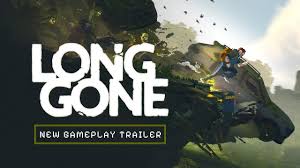
A Different Kind of Post-Apocalyptic Game
Most post-apocalyptic games emphasize danger, scarcity, and combat. Long Gone takes a different approach. It focuses on memory, absence, and discovery rather than action.
The world is not filled with constant threats. Instead, it feels abandoned, quiet, and deeply personal. The tension doesn’t come from enemies—it comes from the stories hidden within the environment.
This shift in tone makes Long Gone feel less like a survival game and more like an interactive narrative experience.
Setting: Corvid Hills After the Collapse
The game is set in Corvid Hills, a once-normal suburban neighborhood that has been left behind for decades following a mysterious outbreak.
Time has transformed the environment:
- Nature has reclaimed streets and buildings
- Homes are frozen in time, filled with remnants of daily life
- Human presence is reduced to scattered traces and memories
Rather than presenting a large open world, Long Gone focuses on a dense, detailed environment where every location has meaning.
Each house, room, and object contributes to a larger story waiting to be uncovered.
Gameplay: Exploration Over Action
At its core, Long Gone is about exploration and interaction. Players are encouraged to:
- Search through drawers, cupboards, and shelves
- Read notes and documents left behind
- Piece together the lives of former residents
There are no traditional objectives or quest markers guiding you from point A to point B. Instead, the game relies on curiosity as the primary motivator.
This design creates a more personal and immersive experience, where progress is driven by discovery rather than completion.
A Unique Blend of 2.5D and 3D Gameplay
One of the standout features of Long Gone is its shifting gameplay perspective.
Outdoor Exploration (2.5D Platforming)
When exploring outside, the game uses a 2.5D perspective. Players navigate side-scrolling environments filled with:
- Collapsed roads
- Overgrown vegetation
- Environmental obstacles
This section introduces light platforming elements, adding movement-based challenges without overwhelming the player.
Indoor Exploration (Full 3D)
Inside buildings, the game transitions into a fully 3D exploration mode. This allows players to:
- Move freely through rooms
- Examine objects from different angles
- Interact with detailed environments
This dual perspective system keeps gameplay fresh and reinforces the contrast between the outside world and the personal spaces within homes.
No Combat—Only Problem Solving
Unlike most games in the genre, Long Gone does not rely on combat as a core mechanic.
While there are zombie-like creatures present, they are not meant to be fought. Instead, they function as environmental puzzles.
Players must:
- Avoid dangerous encounters
- Find alternative paths
- Use the environment strategically
This approach transforms traditional threats into challenges that require thinking rather than fighting.
It also reinforces the game’s overall tone—quiet, thoughtful, and focused on survival through awareness rather than aggression.
Mavis the Cat: Your Companion
Throughout the journey, players are accompanied by a small cat named Mavis.
Far from being just a cosmetic addition, Mavis plays an active role in gameplay:
- Alerting players to nearby dangers
- Helping locate hidden items
- Accessing areas that are otherwise unreachable
This companion system adds both emotional depth and practical utility, making exploration more engaging.
Mavis also helps reinforce the game’s themes of companionship and connection in an otherwise empty world.
Visual Style: Lo-Fi Pixel Meets Modern 3D
Long Gone features a distinctive lo-fi 3D pixel art style, combining retro aesthetics with modern rendering techniques.
This visual approach creates a unique atmosphere:
- Nostalgic yet contemporary
- Simple but expressive
- Stylized without losing emotional impact
The art style enhances the game’s storytelling by making environments feel both familiar and slightly surreal.
Storytelling Through Environment
Rather than relying on traditional cutscenes, Long Gone uses environmental storytelling to convey its narrative.
Players uncover the story by:
- Reading notes left behind by former residents
- Observing how environments have changed over time
- Connecting small details into a larger narrative
This method allows for a more immersive experience, where players feel like active participants in uncovering the story.
Why Long Gone Stands Out
In a genre dominated by action-heavy titles, Long Gone offers something refreshingly different.
Its strengths include:
- A focus on exploration and storytelling
- Innovative use of perspective and gameplay mechanics
- A calm, atmospheric approach to a typically intense genre
This makes it particularly appealing to players who prefer narrative-driven experiences over fast-paced action.
Potential Challenges
While the game’s unique approach is promising, it may not appeal to everyone.
Possible challenges include:
- Lack of traditional gameplay elements like combat
- Slower pacing compared to mainstream titles
- Reliance on player curiosity for engagement
However, for the right audience, these elements could be seen as strengths rather than weaknesses.
Final Thoughts
Long Gone is shaping up to be one of the most intriguing indie releases of 2027. By focusing on atmosphere, exploration, and storytelling, it offers a fresh take on the post-apocalyptic genre.
Instead of asking players to fight for survival, it asks them to understand what was lost.
If you’re looking for a thoughtful, immersive experience that prioritizes discovery over action, Long Gone is definitely a game worth keeping on your radar.
SEO Keywords: Long Gone game 2027, post apocalyptic exploration game, Long Gone gameplay, indie adventure PC games, story driven exploration games, Long Gone Steam preview.