
Warhammer 40,000: Dark Heresy – Why Its Subjective Truths Still Deliver Unparalleled RPG Immersion










Popular Now
 FIFA 23
 God of War Ragnarök
 Brawl Stars
 Fall Guys
 League of Legends
 The Legend of Zelda
 Schedule I
 Grand Theft Auto V
 EMI Calculator App & Loan EMI
 Genshin Impact
 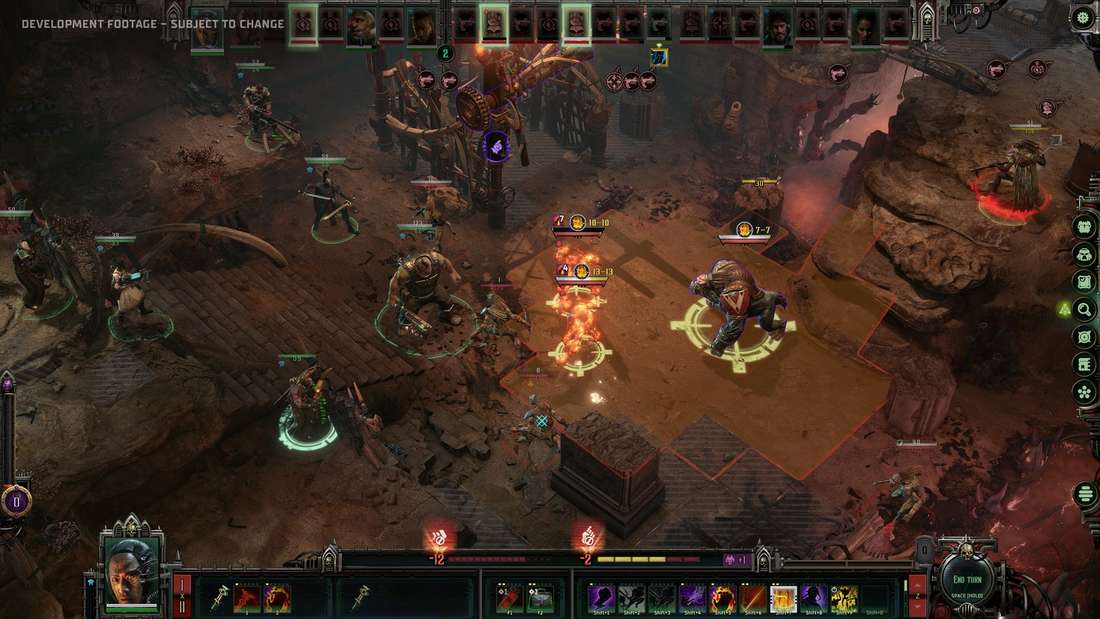 In the vast, terrifying cosmos of Warhammer 40,000, few tabletop role-playing games (TTRPGs) capture the sheer dread, moral ambiguity, and relentless struggle for humanity’s soul quite like Warhammer 40,000: Dark Heresy. First published by Fantasy Flight Games, this iconic system plunged players into the roles of Acolytes serving the Holy Inquisition, tasked with rooting out heresy, mutation, and alien threats across the Calixis Sector. This retrospective review examines why Dark Heresy, even years after its initial release, remains a quintessential grimdark RPG experience, offering depth and player agency where the very nature of truth is a weapon, a shield, and a constant threat.
 The Imperium’s Shadow War: An Introduction
 The Imperium’s Shadow War: An Introduction
Dark Heresy isn’t just another dice-rolling adventure; it is an intricate web of intrigue and paranoia. The game excels at portraying the oppressive, labyrinthine bureaucracy of the Imperium of Man, a galactic empire teetering on the brink of annihilation. Players are not heroic Space Marines but fallible, vulnerable humans, often operating in the shadows, navigating a universe where faith is a bulwark against madness and ignorance is bliss – until the truth reveals itself. The core concept, that ‘the truth is what you say it is,’ particularly from the perspective of an Inquisitor, provides a unique framework for Game Masters (GMs) and players alike, empowering them to shape the narrative and define reality within their campaigns. This focus on player-driven storytelling and deep lore integration makes it a premium tabletop RPG for enthusiasts seeking a truly immersive experience.
The Core Premise: Acolytes of the Holy Inquisition
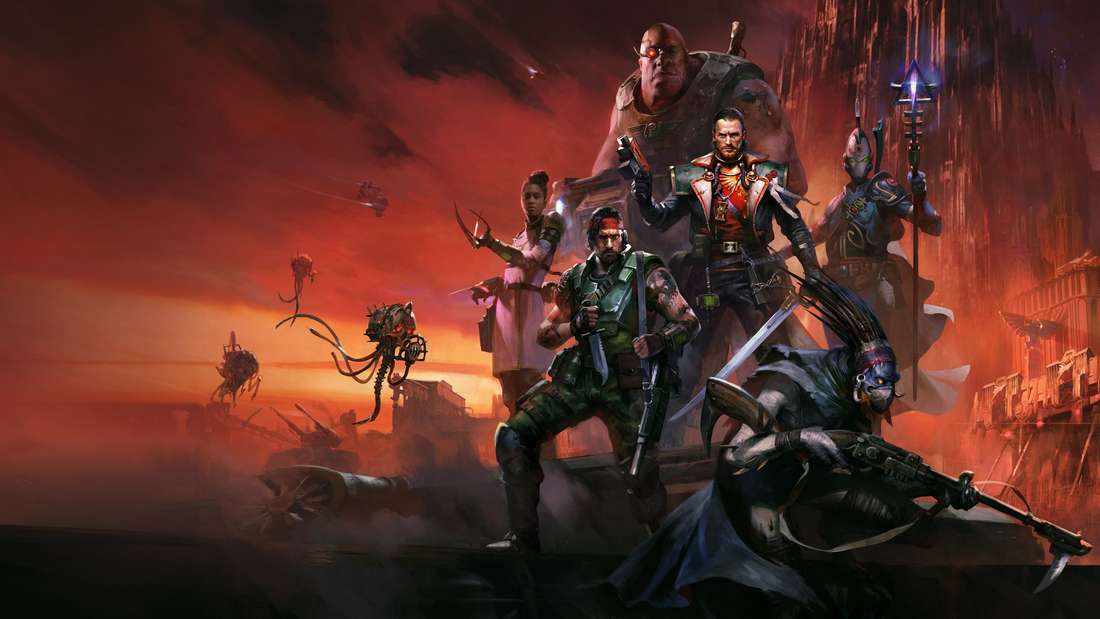
At its heart, Dark Heresy challenges players to become instruments of the Emperor’s will, often in the most morally compromising ways. Character creation is robust, allowing for diverse archetypes ranging from devout Missionaries and learned Savants to hardened Arbitrators and mysterious Psychics. Each background, career path, and starting equipment choice deeply influences how an Acolyte perceives and interacts with the grimdark world. The game master’s ability to weave compelling mysteries, horrific encounters, and political machinations is paramount, transforming the often-unspoken truths of the Warhammer 40,000 lore into palpable threats. The sheer weight of responsibility and the constant threat of corruption or damning discovery contribute to a palpable atmosphere of tension that few other RPGs achieve. This blend of individual agency within a predetermined oppressive system offers boundless opportunities for dynamic storytelling and high-stakes gameplay.
Gameplay Mechanics and Narrative Craftsmanship
Dark Heresy’s mechanics are elegantly designed to support its narrative themes. Built on a d100 percentile system, skill checks and combat encounters feel brutal and impactful. Success is rarely guaranteed, and failure often carries dire consequences, perfectly reflecting the unforgiving nature of the 41st Millennium. The system encourages players to think beyond mere combat, emphasizing investigation, social maneuvering, and careful resource management. Psychic powers, mutations, and the insidious influence of Chaos are not just stat blocks but existential threats that can irrevocably alter an Acolyte’s fate, providing rich material for psychological horror and moral dilemmas. The game’s reliance on descriptive prose and the GM’s ability to paint vivid, often disturbing, scenes elevates it beyond typical dungeon crawls, positioning it as a benchmark for narrative-driven games. For those seeking advanced game mechanics coupled with deep storytelling, Dark Heresy remains an unmatched offering in the tabletop gaming market.
 The Weight of Choice: Where Truth Is Forged
 The Weight of Choice: Where Truth Is Forged
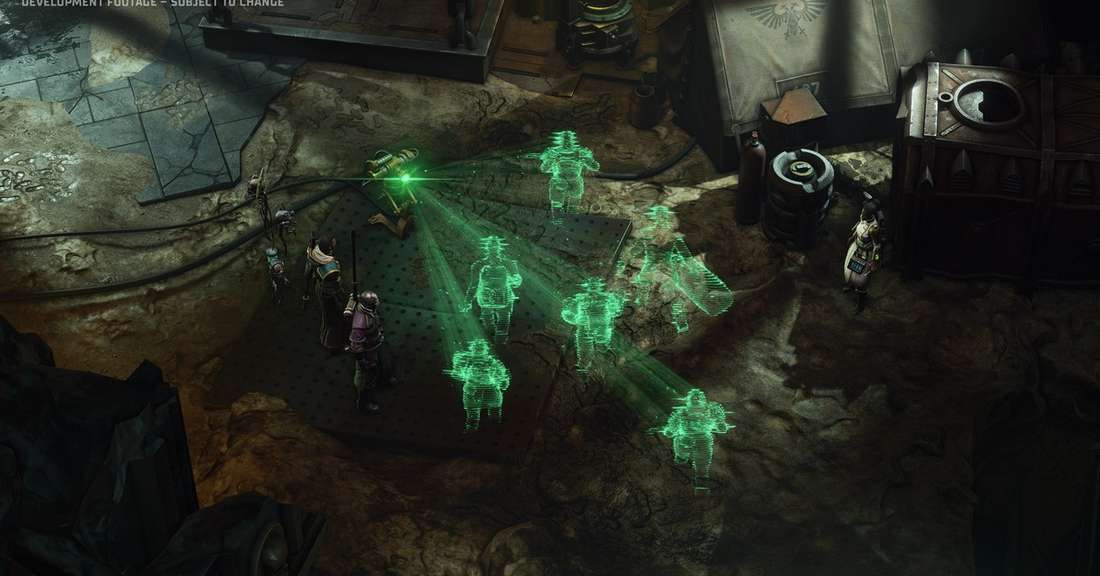
The central tenet of ‘the truth is what you say it is’ comes to life most vividly in the choices presented to players. Are the mutants truly heretics, or victims of circumstance? Is the cult leader merely misguided, or a servant of darker powers? The game offers no easy answers, forcing Inquisitors and their Acolytes to make difficult decisions with galaxy-spanning implications, often based on incomplete information or contradictory testimony. This deliberate ambiguity empowers the GM to craft bespoke realities for their players, where loyalty, faith, and sanity are constantly tested. The consequences of these choices reverberate throughout campaigns, defining the ‘truth’ of a given situation within that specific narrative. This dynamic creates a powerful feedback loop, encouraging players to delve deeper into the lore and their characters’ motivations. This critical aspect highlights the game’s strength in fostering player agency and its capacity for delivering a truly unique role-playing experience.
Atmosphere, Art, and the Grimdark Aesthetic
From its meticulously detailed rulebooks to its evocative artwork, Dark Heresy masterfully crafts an atmosphere of perpetual dread and grim heroism. The visual design alone captures the gothic, baroque aesthetic of Warhammer 40,000, illustrating the vastness of the Imperium and the horrors that lurk within. The prose is rich with lore, immersing players in a universe where hope is a rare commodity, and sacrifice is commonplace. The sheer scale of the conflict, from investigating minor cults to averting sector-wide catastrophes, is always underscored by the personal stakes of the Acolytes. This commitment to aesthetic and narrative consistency solidifies Dark Heresy’s reputation as a collector’s item and a testament to high-quality game design. It’s an investment in storytelling that pays dividends in memorable gaming sessions.
Legacy and Enduring Value in the TTRPG Landscape
While newer iterations and other Warhammer 40,000 TTRPGs have emerged, Dark Heresy holds a special place in the hearts of many role-playing enthusiasts. Its unique focus on the investigative and conspiratorial elements of the Inquisition provides a distinct flavor within the broader Warhammer universe. It stands as a testament to deep lore integration and system design that truly serves its thematic goals. The game fosters a dedicated gaming community that continues to create homebrew content and share stories, proving its enduring appeal. For GMs looking to challenge their players with intricate mysteries and existential dread, and for players seeking an RPG that delves into moral complexities and the psychological toll of fighting a never-ending war, Dark Heresy remains an essential experience. Its value is not just in its mechanics, but in its unparalleled ability to bring the grim darkness of the 41st Millennium to the tabletop with profound impact.
Final Verdict: A Must-Play for Serious RPG Enthusiasts
Warhammer 40,000: Dark Heresy is more than just a game; it is an odyssey into the darkest corners of a brutal universe. Its genius lies in empowering players to define their own ‘truth’ amidst the Imperium’s lies and propaganda, forging narratives that are intensely personal yet cosmically significant. With its robust mechanics, compelling lore, and uncompromising atmosphere, Dark Heresy continues to set a high bar for immersive role-playing. For any serious tabletop enthusiast seeking a challenging, morally complex, and utterly unforgettable journey into the heart of the Warhammer 40,000 universe, this TTRPG is not merely recommended; it is essential. Prepare to delve into mysteries, face unimaginable horrors, and ultimately, decide what truths you are willing to uphold.