








 Free Fire
  Rust
Rust  BeamNG.drive
  Candy Crush Saga
  FIFA 23
  Schedule I
  Valorant
  Stumble Guys
  Fall Guys
  Roblox
 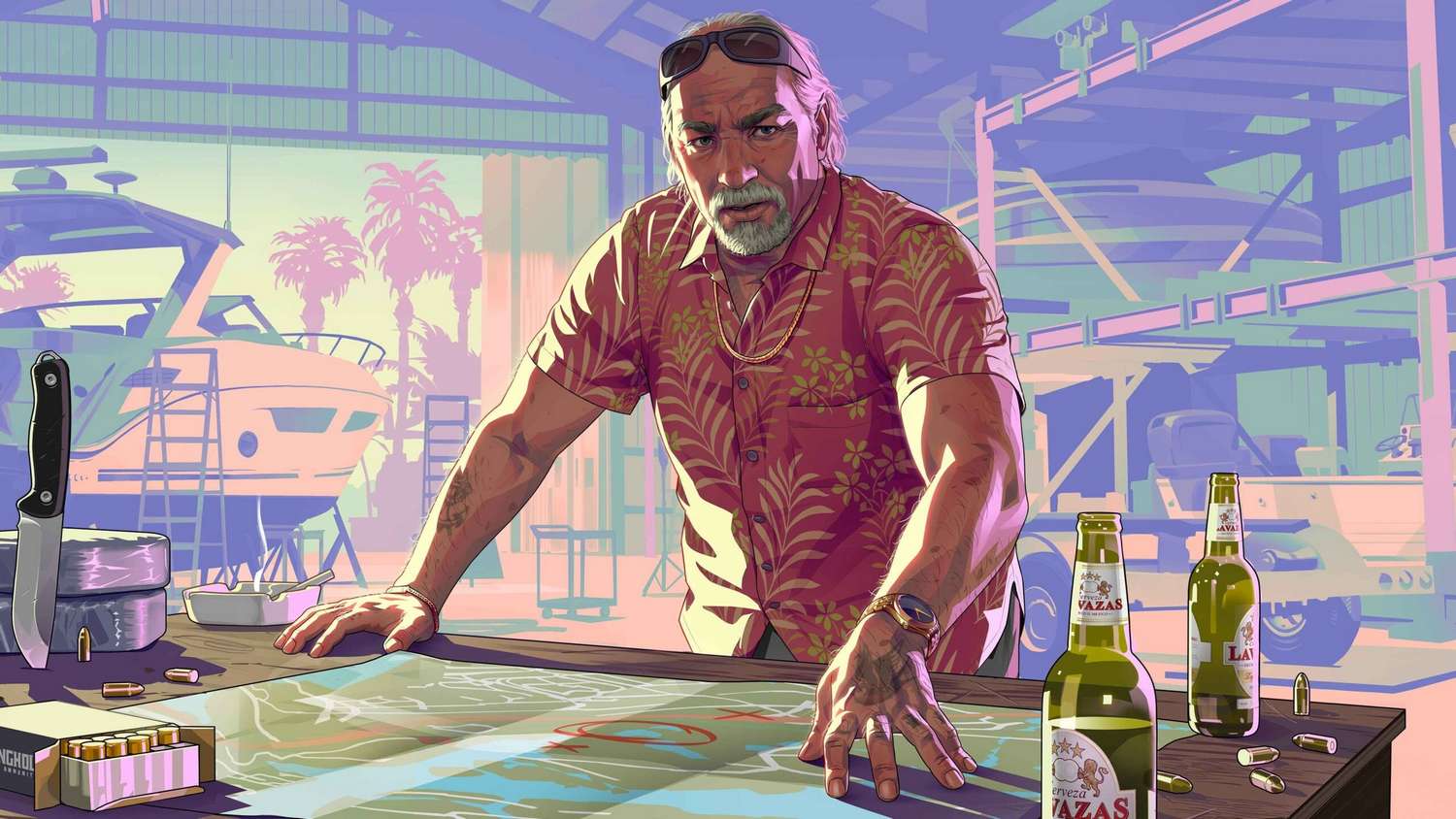 Rockstar Games, the development powerhouse behind the highly anticipated Grand Theft Auto VI, is currently embroiled in significant controversy following a wave of staff terminations. Reports suggest that between 30 and 40 employees across its UK and Canadian studios have been dismissed, sparking immediate and fierce accusations of union busting from a prominent labor group. This news lands at a critical juncture for the studio, which is deep in the “final stages” of the development cycle for arguably the most colossal entertainment release of the next decade, with a projected launch in May 2026.
The Independent Workers’ Union of Great Britain (IWGB) has been vocal in its condemnation, asserting that the dismissals were a direct, “ruthless” act of retaliation against staff involved in union organizing efforts. Conversely, Rockstar’s parent company, Take-Two Interactive, has staunchly defended the terminations, citing “gross misconduct” as the sole reason for the action. The stark contrast between these narratives casts a serious shadow over the work environment at one of the world’s most valuable game development entities.
The Allegations Behind the Layoffs
The core of the dispute revolves around the sudden termination of individuals who were reportedly active in a private chat group dedicated to trade union organization. The IWGB claims that all affected employees were either current union members or actively seeking to unionize, making the dismissals “unlawful and retaliatory.”
- Union Stance (IWGB): The union has labeled the event as “the most blatant and ruthless act of union busting in the history of the UK games industry.” Furthermore, the IWGB highlighted the precarious situation of some dismissed staff, including those on visa sponsorships and others with medical conditions who face losing essential workplace healthcare coverage.
- Corporate Response (Take-Two Interactive): A spokesperson for Take-Two Interactive emphatically denied the union-busting allegations, stating that the employees were terminated “for gross misconduct, and for no other reason.” They reiterated the company’s full support for Rockstar’s development “ambitions and approach.”
The swift and synchronized nature of the terminations has led to widespread skepticism within the gaming community and among industry observers regarding the “gross misconduct” claim, fueling speculation that this is a direct maneuver to suppress organized labor ahead of the intense period leading up to the GTA 6 release date.
Context: Development Pressure and ‘Return-to-Office’ Mandate
This controversy is not an isolated incident but rather the latest flashpoint in a series of employee relations issues at Rockstar. Earlier in 2024, the studio mandated a full-time, five-day-a-week return-to-office (RTO) policy, citing concerns over “productivity and security” following the major 2022 GTA 6 data leak. This RTO decision itself drew criticism from the IWGB and internal staff, who expressed worries about a return to the infamous “crunch culture” that plagued previous Rockstar projects.
 The push for full in-office attendance, particularly for a studio working on a project of this scale—expected to generate massive profits—is seen by many as a precursor to maximizing developer time and control, often at the expense of work-life balance. The current round of layoffs, targeting organizing employees, is being interpreted by the union as a further measure to eliminate internal resistance and secure total focus for the final development push.
The Future of GTA VI and Employee Morale
While Take-Two maintains that the development of Grand Theft Auto VI is on track for its anticipated 2026 launch, the ongoing labor dispute and the specter of diminished employee morale could have long-term repercussions. Video game development is a complex, human-intensive process, and a controversial work environment can significantly impact the final quality and timely delivery of a premium title.
The gaming industry has faced a tumultuous period of mass layoffs from 2022 to 2025, underscoring a broader issue of job instability even for staff working on blockbuster, high-revenue franchises. The situation at Rockstar Games now becomes a highly visible case study on the conflict between corporate demands for security and output, and the growing movement for workers’ rights and fair compensation within the sector.
The IWGB has vowed to fight for the reinstatement of its members and to continue its campaign for better working conditions. This developing story highlights the persistent challenges facing game developers globally, particularly as they navigate the extreme pressures associated with delivering AAA games like GTA VI.
The ultimate success of Grand Theft Auto VI hinges not just on its cutting-edge graphics and expansive open-world design, but also on the stability and motivation of the thousands of employees contributing to its creation. The industry, investors, and gamers alike will be watching closely to see how this crucial labor dispute is resolved.