
Diablo 4 Season 10 Event and Patch Delayed: Examining Blizzard’s Rationale and Player Impact








Popular Now
 EMI Calculator App & Loan EMI
 Poppy Playtime
 CarX Street
 Gacha Club
 Auto X Drift Racing 3
 Rust
Rust
 Roblox
 Call of Duty
 Fall Guys
 Geometry Dash
 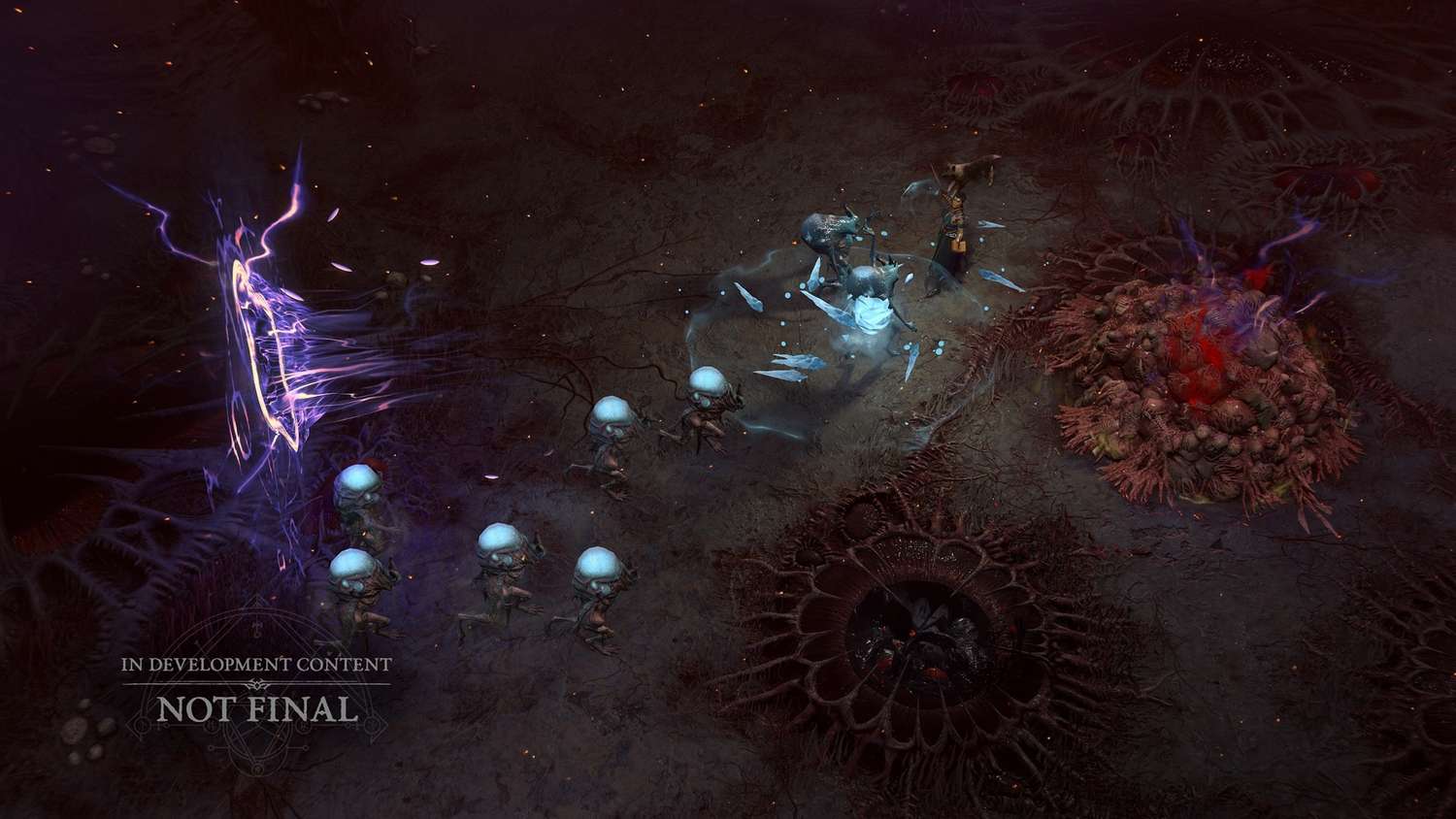 Blizzard Entertainment, the esteemed developer behind the iconic Diablo franchise, has recently announced a significant delay concerning the highly anticipated Diablo 4 Season 10 event and its accompanying patch. This postponement has sent ripples through the dedicated player base, raising questions about content delivery, developer priorities, and the overarching long-term strategy for this crucial live service game. As players eagerly await new challenges and rewards in the dark realm of Sanctuary, this unforeseen setback demands a comprehensive analysis of its implications for the game’s immediate future and its enthusiastic community.
The decision to delay such a pivotal update, which typically injects fresh life and new objectives into the action RPG experience, often stems from various complex factors within game development. While specific details from Blizzard regarding the precise reasons for the delay remain somewhat generalized, industry observers and the community speculate on common culprits: unforeseen technical complications, the need for additional polish to ensure high-quality content, or a strategic reallocation of development resources towards other concurrent projects, potentially even future expansions. Regardless of the exact cause, the impact on player experience and engagement is undeniable, particularly for a title that relies heavily on a consistent flow of engaging seasonal content to retain its vast audience.
Unpacking Blizzard’s Rationale and Communication
In their official communication, Blizzard acknowledged the delay, often citing a commitment to delivering a refined and stable experience as paramount. This emphasis on quality over speed is a recurring theme in modern game development, especially following instances where rushed releases or poorly optimized patches have severely tarnished a game’s reputation and player trust. For a title like Diablo 4, which represents a significant investment for both players and the publisher, ensuring that new content, particularly a major seasonal event and its associated game-balancing patch, meets stringent quality benchmarks is critical. The developers likely faced a choice between deploying content that might fall short of expectations, leading to widespread dissatisfaction and negative reviews, or taking more time to refine it, risking short-term frustration but potentially fostering long-term player loyalty.
However, the lack of granular detail regarding the specific technical or developmental hurdles encountered can sometimes leave the community feeling in the dark. Transparency in live service game updates is increasingly valued by players, who invest considerable time and sometimes money into these digital worlds. Clear communication, even when delivering disappointing news, can help manage expectations and maintain a healthy relationship between developers and their audience. Future updates from Blizzard will need to articulate not just the ‘what’ but also the ‘why’ behind these delays to better bridge this informational gap and reinforce trust.
 The Ripple Effect on Player Engagement and the Meta
 The Ripple Effect on Player Engagement and the Meta
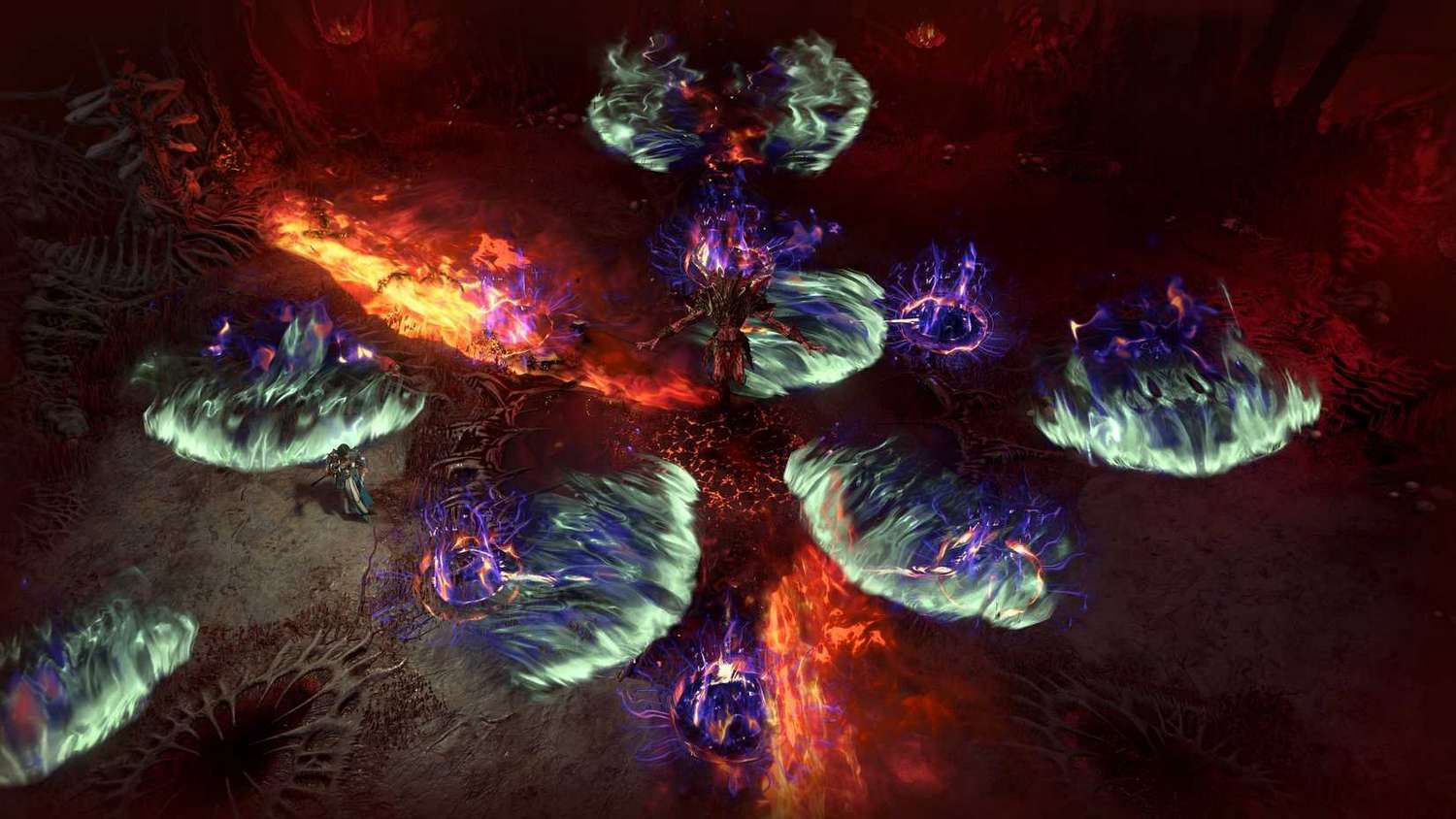
A delay in a new Diablo 4 season update has immediate and cascading effects on the game’s ecosystem. Foremost, it extends the duration of the current seasonal content, which for many players may have already run its course. The excitement surrounding new loot, fresh legendary aspects, class balance adjustments, and a revamped Battle Pass is a powerful driver for continued play. Without these impending novelties, some players may experience content fatigue, leading to a temporary decline in active users. This is a significant concern for any ARPG that thrives on continuous player engagement and the pursuit of progressively stronger characters and gear.
Furthermore, the delay impacts the evolving game meta. Each new patch typically brings with it significant balance changes, buffing some builds and nerfing others, thereby encouraging experimentation and a shift in optimal strategies for tackling endgame content like Nightmare Dungeons and the Pit. With the postponement, the current meta becomes stagnant for longer, which can deter players who thrive on competitive play or simply enjoy the dynamism of a changing game environment. For players who have already optimized their characters to the peak of the current season’s potential, the absence of new challenges or systemic overhauls can diminish the incentive to log in daily. This could lead to a dip in Diablo 4 twitch viewership and overall social media engagement, key metrics for the health of any major online title.
- Extended Content Fatigue: Players who have completed the current season’s journey may find themselves with little new to do.
- Stagnant Meta: Lack of balance changes means the dominant builds and strategies remain unchallenged for a longer period.
- Reduced Player Motivation: The absence of new rewards, events, or a refreshed Battle Pass can diminish daily login incentives.
- Impact on New Player Onboarding: New players often join at the start of a season; a delay can disrupt this cycle.
Community Reaction and Developer Transparency
The Diablo 4 gaming community, known for its passionate discourse, has naturally voiced its opinions across various platforms, from official forums to Reddit and Twitter. While some segments of the player base express understanding, prioritizing a polished experience over a rushed one, others convey frustration over the extended wait. Common concerns revolve around the perceived pace of content delivery since the game’s launch, with some players feeling that new seasonal updates, while often well-received for their quality, do not arrive quickly enough to sustain continuous interest between major expansions.
Blizzard’s approach to communicating the delay will be scrutinized. Maintaining an open dialogue, providing revised timelines when possible, and perhaps offering compensatory in-game items or events to bridge the gap until the new patch arrives can go a long way in assuaging community concerns. Learning from past instances across the gaming industry, proactive and honest communication strategies are paramount in managing player sentiment during such challenging times. This is especially true for a game that has such high potential for long-term revenue through its premium battle pass and cosmetic shop.
 Looking Ahead: What Does This Mean for Diablo 4’s Future?
 Looking Ahead: What Does This Mean for Diablo 4’s Future?
The delay of the Diablo 4 Season 10 event and patch, while an immediate setback, could also be viewed through a lens of cautious optimism. If the additional development time genuinely results in a more stable, feature-rich, and bug-free update, then the long-term benefits could outweigh the short-term frustrations. A well-executed season can reignite player excitement, attract lapsed players, and solidify the game’s position as a top-tier ARPG in a competitive market. It demonstrates a commitment to quality that is essential for the longevity of any live service game.
This situation also puts a spotlight on Blizzard’s overall content roadmap for Diablo 4. Players will be keen to see if this delay causes a ripple effect on subsequent seasons or the planned major expansion. Consistent, high-quality updates are the lifeblood of games like Diablo 4, and any deviation from a predictable schedule can lead to speculation about the game’s development health. However, if this delay is an isolated incident leading to a superior product, it could ultimately serve as a testament to Blizzard’s dedication to the franchise’s legacy and its player base, reinforcing its status as a must-play title for fans of dark fantasy and intense combat.
Conclusion
The postponement of the Diablo 4 Season 10 event and patch is undoubtedly a mixed bag for the game’s passionate community. While the immediate impact includes potential player fatigue and a stagnant meta, the underlying hope is that this additional development time will culminate in a truly exceptional update, free from critical bugs and brimming with engaging content. Blizzard Entertainment faces the crucial task of not only delivering on this promise of quality but also maintaining transparent and consistent communication with its players. The success of Diablo 4’s future, its ability to retain its vast audience, and its continued standing as a top-tier action RPG will hinge significantly on how it navigates these challenges and transforms temporary setbacks into long-term triumphs for the hordes of Sanctuary. For fans seeking the best in dark fantasy RPGs, these updates are not merely patches but vital pulses in the heart of their beloved game world.