Pokemon Pokopia Review: The Anniversary Surprise Fans Never Knew They Needed
Pokemon Pokopia Review: A Cozy Pokemon Life Sim Full of Heart, Secrets, and Creative Freedom
Pokemon Pokopia is one of the most charming Pokemon spin-offs in years. Instead of focusing on battles, gym badges, trainers, or catching creatures with Poke Balls, it gives players something much softer and more unusual: the chance to live as a Pokemon, build a community, restore the world, and make friends with other Pokemon as equals.
The result is a cozy life sim and building game that feels like a mix of Animal Crossing, Dragon Quest Builders, and Pokemon Mystery Dungeon. It has crafting, exploration, housing, farming, real-time progression, habitat puzzles, and a central mystery about what happened to humanity. But more than anything, it captures the childhood fantasy of living alongside Pokemon, not as their trainer, but as part of their world.
That simple shift changes everything. Pokemon Pokopia is not about collecting monsters to win battles. It is about understanding what different Pokemon need, creating spaces where they feel comfortable, and slowly turning a ruined world into a warm and lively community.
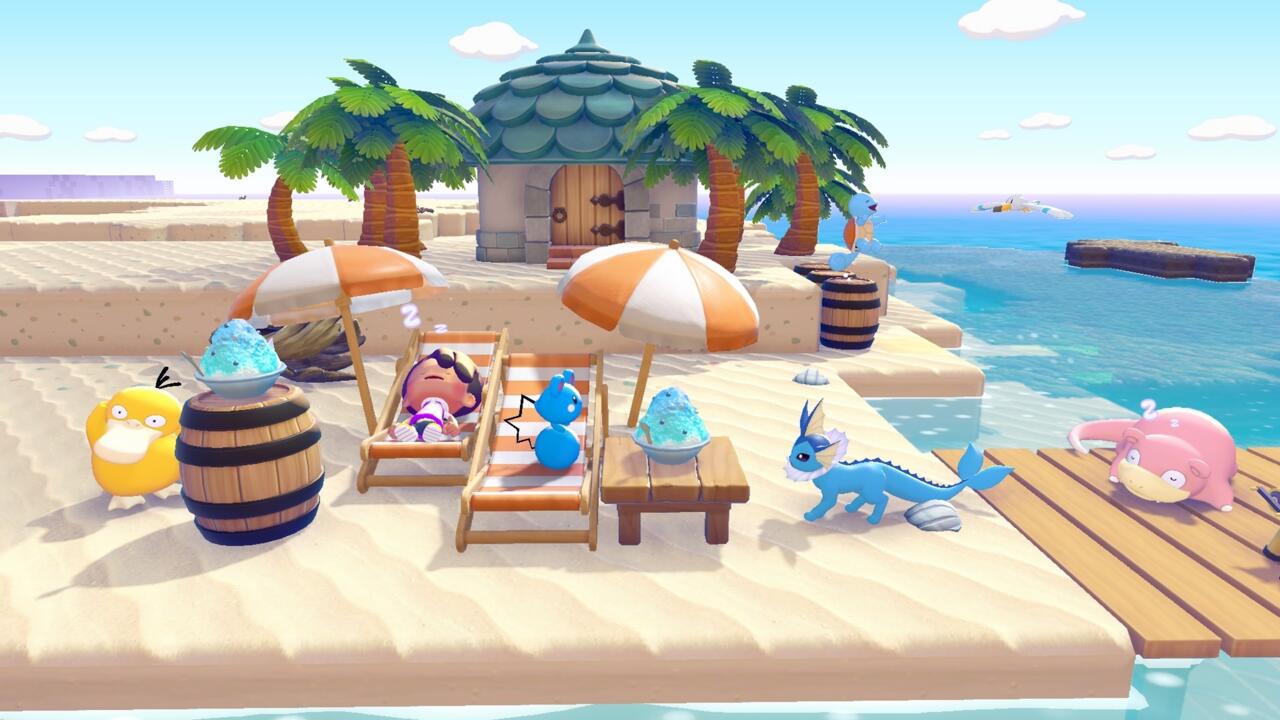
You Play as Ditto, Not a Trainer
The biggest change in Pokemon Pokopia is the player’s role. You are not a human trainer. You play as Ditto, a shapeshifting Pokemon who has taken on a roughly human form based on a missing trainer. Other Pokemon recognize you as Ditto, talk to you directly, and treat you as one of their own.
This gives the game a very different tone from the mainline Pokemon series. You are not commanding Pokemon from above. You are helping them, living near them, and learning from them. Your ability to change shape gives you unique talents, but it does not make you their owner.
This perspective is one of the game’s strongest ideas. Pokemon have always been treated like partners, but Pokopia takes that idea further. It imagines what a Pokemon community might look like if humans were gone and Pokemon were trying to rebuild the world using their own memories, instincts, and personalities.
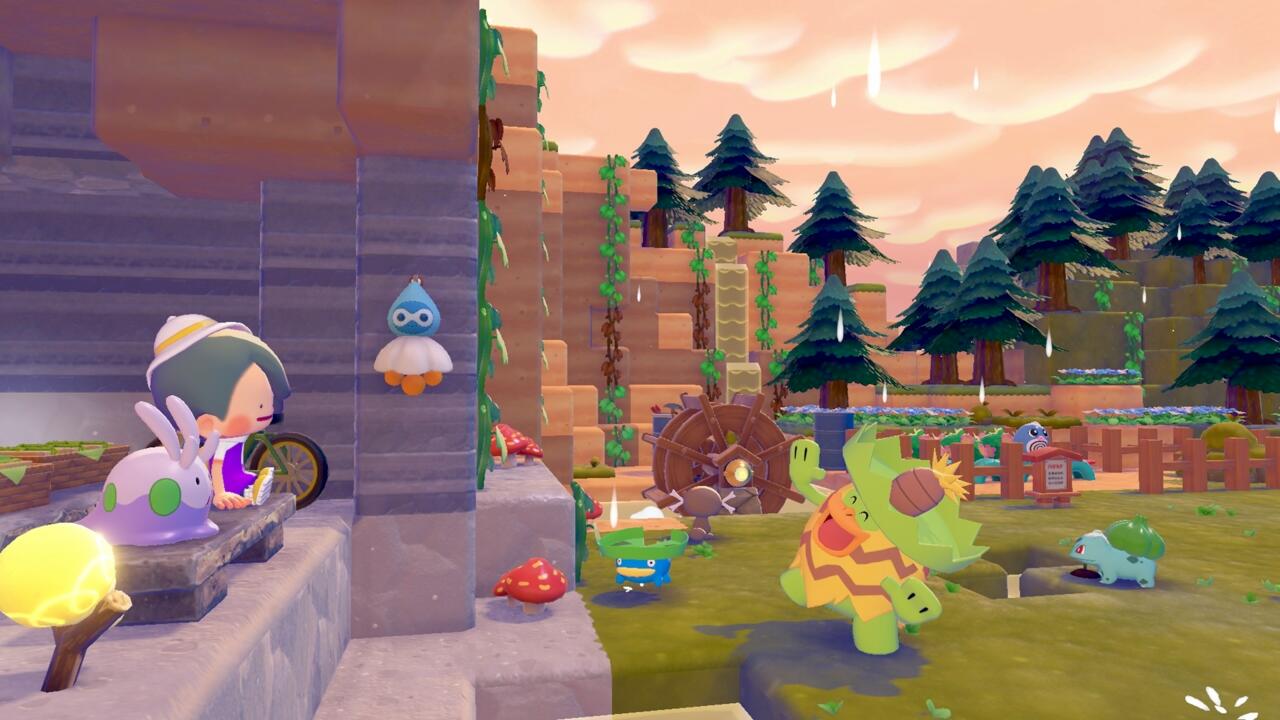
A Cozy Game With a Surprisingly Dark Mystery
Despite its bright and cheerful tone, Pokemon Pokopia takes place in a post-human world. Your missing trainer is not the only person who has vanished. Everywhere you go, there are signs that human society has collapsed or disappeared. Nature has started reclaiming old spaces, and the remaining Pokemon are trying to understand what happened.
This gives the game a quiet mystery beneath its cozy surface. You occasionally find old records, abandoned structures, human artifacts, and hints about what people were doing before they disappeared. The question of where humanity went becomes the game’s main narrative thread.
Importantly, Pokopia does not feel gloomy to play. The world may be built on loss, but the moment-to-moment experience is joyful. Watching Pokemon work together, rebuild spaces, decorate homes, and form friendships gives the game a hopeful feeling. It is less about the end of the world and more about what grows afterward.
Building and Exploration Feel Like Dragon Quest Builders
Pokemon Pokopia’s world is made of block-like building materials that can be broken down, rearranged, and used to create new spaces. This immediately brings Dragon Quest Builders to mind, but the Pokemon twist gives it a distinct identity.
As Ditto, you learn special moves from the Pokemon you meet. These abilities allow you to till soil, plant grass, cut weeds, break rocks, swim, glide, and interact with the environment in new ways. Each new move gives you more freedom to reshape the world and reach new areas.
Professor Tangrowth provides story-critical tasks that move the main plot forward, but players are free to spend time beautifying their town, gathering materials, designing homes, planting crops, or improving habitats for Pokemon friends. This creates a satisfying balance between guided progression and open-ended creativity.
The best part is that building is not just cosmetic. The way you arrange the environment directly affects which Pokemon appear.
Habitat Building Replaces Traditional Pokemon Catching
Pokemon Pokopia completely changes how you discover new Pokemon. Instead of battling wild Pokemon and throwing Poke Balls, you attract them by building habitats that suit their needs. This is one of the game’s most creative systems.
Different Pokemon are drawn to different environmental setups. Four tufts of tall grass may attract classic starter Pokemon like Squirtle, Bulbasaur, or Charmander. Put those same grass tufts near a tree, and you may attract Pokemon like Scyther or Bellsprout. A field of flowers might bring Pidgey or Combee, while a larger flower field could attract Vespiquen.
Some Pokemon require specific props or object combinations. For example, a bench and punching bag might draw the attention of Hitmonchan. Each habitat feels like a small environmental puzzle, and each one tells a little story about the Pokemon it attracts.
This system makes discovery feel more peaceful and more personal than traditional catching. You are not forcing Pokemon to join you. You are creating a place where they want to be.
The Habitat Dex Makes Discovery Addictive
The Habitat Dex keeps track of Pokemon habitats and hints, making the system easy to follow without removing the joy of discovery. Players can find habitat hints while exploring or buy additional hints from shops if they get stuck.
Hints often show silhouettes of Pokemon that can be attracted, and longtime fans will immediately recognize many of them. That creates a wonderful “I know who that is” moment, followed by the fun of gathering materials and building the correct habitat.
The process feels similar to assembling a small Lego set. You receive clues, find the pieces, place everything correctly, and then get rewarded with a new Pokemon friend. It is simple, but extremely satisfying.
Pokemon Feel Like Neighbors, Not Collectibles
One of Pokopia’s greatest strengths is how it presents Pokemon as members of a community. They are not just entries in a Pokedex. They have routines, preferences, dialogue, and small moments of personality.
Some Pokemon can move into houses, follow you around, help with tasks, or contribute abilities needed for progression. You can invite Pokemon to live with you, decorate spaces for them, and watch them interact with the world.
This gives the game its emotional core. A Squirtle moving into your house feels exciting because it fulfills a fantasy many Pokemon fans have had since childhood. If that Squirtle later decides to move out, it can feel surprisingly personal, even if the routine behind it is simple. That emotional reaction shows how well the game sells the idea of living among Pokemon friends.
Named Pokemon Add Extra Personality
Alongside regular Pokemon, Pokopia includes special named characters with unique designs and stories. Examples include Mosslax, a Snorlax who slept so long that moss grew over its body, and Peakychu, a Pikachu whose electric abilities have burned out, leaving it looking tired and sickly.
These variations are delightful because they feel like folklore versions of familiar Pokemon. They are recognizable, but they have enough personality to feel new. Their stories also give the world more warmth, especially when they reflect the loss of humans or the difficulty of rebuilding.
The writing is often funny and sweet. Drifloon casually commenting on floating away with you or Machoke speaking like a gym bro gives the Pokemon more character without overcomplicating them. The humor is light, but it works.
The World Is Packed With Secrets
Pokemon Pokopia is full of hidden areas and surprising discoveries. Exploring in one direction may lead to an underground volcano, a massive castle, hidden bunkers, old human decorations, or secret areas tucked behind breakable walls.
This sense of discovery is one of the game’s biggest strengths. Even after many hours, it can feel like you have only scratched the surface. The world has layers, both literally and figuratively, and curiosity is often rewarded.
Because so much of the game is built around gathering materials, learning abilities, and attracting new Pokemon, exploration rarely feels wasted. You are almost always finding something useful, charming, or mysterious.
Real-Time Progression Encourages a Relaxed Pace
Like Animal Crossing, Pokemon Pokopia uses a real-time clock. Some construction projects and plant growth require waiting, but these delays are usually minor. Rather than feeling like a major restriction, the system encourages players to slow down and do other things.
You do not always need to rush the next story objective. You can decorate, explore, gather materials, visit old areas, invite Pokemon to follow you, or improve your town. This pacing fits the game’s cozy tone well.
Players who prefer constant forward momentum may find the real-time elements slightly inconvenient, but for most people, they help create a calm daily rhythm.
Animal Crossing Meets Dragon Quest Builders With Pokemon Charm
Pokemon Pokopia succeeds because it blends several familiar ideas in a way that strengthens each one. Like Animal Crossing, it focuses on community, decorating, daily life, and friendly neighbors. Like Dragon Quest Builders, it gives players a block-based world to reshape and a story to push them forward.
But by adding Pokemon, Pokopia gives both formulas a stronger emotional hook. Building a home is more exciting when a favorite Pokemon can live there. Designing a habitat is more rewarding when it attracts a creature you recognize. Exploring a ruin is more meaningful when it ties into the mystery of what happened to humans.
The game avoids the emptiness that can come after finishing daily chores in Animal Crossing, while also offering more social warmth than many building-focused RPGs. It has goals, freedom, discovery, and companionship.
Final Verdict: One of the Best Pokemon Spin-Offs
Pokemon Pokopia is a wonderful spin-off that understands the emotional appeal of Pokemon better than many traditional entries. It is not about being the strongest trainer. It is about living alongside Pokemon, helping them rebuild, and creating a home in a strange post-human world.
The habitat system is clever, the world is full of secrets, the writing is charming, and the community-building loop is deeply satisfying. Some real-time waiting may slow progress, and the art style works better for simpler Pokemon designs than more complex ones, but these are minor issues in an otherwise delightful experience.
For fans of cozy games, building games, life sims, and Pokemon spin-offs, Pokopia is easy to recommend. It is warm, creative, mysterious, and full of small moments that make the world feel alive. Most importantly, it lets players experience Pokemon from a new perspective, not as a trainer, but as a friend.
Pokemon Pokopia FAQ
What kind of game is Pokemon Pokopia?
Pokemon Pokopia is a cozy Pokemon life sim and building game that combines community-building, exploration, crafting, habitat puzzles, and real-time progression.
Who do you play as in Pokemon Pokopia?
You play as Ditto, who has taken on a human-like form based on a missing trainer. Other Pokemon recognize you as Ditto and treat you as one of them.
How do you get new Pokemon in Pokemon Pokopia?
Instead of catching Pokemon with Poke Balls, you attract them by building habitats that match their needs, using grass, trees, flowers, props, and other environmental objects.
Is Pokemon Pokopia like Animal Crossing?
Yes. It shares cozy life sim elements with Animal Crossing, including community-building, real-time progression, decorating, and daily activities, but it also adds building and exploration systems similar to Dragon Quest Builders.
Is Pokemon Pokopia worth playing?
Yes. Pokemon Pokopia is one of the strongest Pokemon spin-offs, especially for players who enjoy cozy games, creative building, exploration, and living alongside Pokemon.