
The Game Awards 2025: Will Two Indie Games Finally Crash the GOTY Category?




Popular Now
 Brawl Stars
 Garena Free Fire: Kalahari
 Poppy Playtime
 Valorant
 Call of Duty
 NBA 2K24
 Free Fire Max
 EA SPORT FC 25
 The Legend of Zelda
 Auto X Drift Racing 3
  The Game of the Year (GOTY) category at The Game Awards is historically dominated by high-budget, AAA blockbusters—titles often backed by immense marketing and resources from industry giants like Sony, Microsoft, or Nintendo. However, the last few years have seen a significant, and arguably overdue, shift. The phenomenal success of titles like Baldur’s Gate 3 in 2023 (a massive CRPG from a previously mid-sized studio, Larian) and the highly acclaimed indie game Balatro in 2024, which secured a coveted GOTY slot, have irrevocably altered the conversation. The question for The Game Awards 2025 is no longer “Will an indie be nominated?” but “Will we finally see two?”
The industry’s current trajectory, characterized by a staggering rise in quality and commercial appeal among independently developed games, suggests this is the year for a major break with tradition. This shift is not just about emotional recognition; it’s a critical financial indicator for the entire video game development sector, spotlighting potential for high-return, lower-budget projects—a concept highly appealing to venture capital and investors looking for high CPC keywords correlation with critical success.
 The 2025 Indie Contenders: A Two-Horse Race?
 The 2025 Indie Contenders: A Two-Horse Race?
Several independent titles released or gaining significant traction in 2025 have already established themselves as critical darlings and strong commercial performers, making them prime candidates to challenge the AAA establishment for a GOTY nod. The momentum is particularly strong behind two specific titles that represent the diverse brilliance of the independent gaming scene:
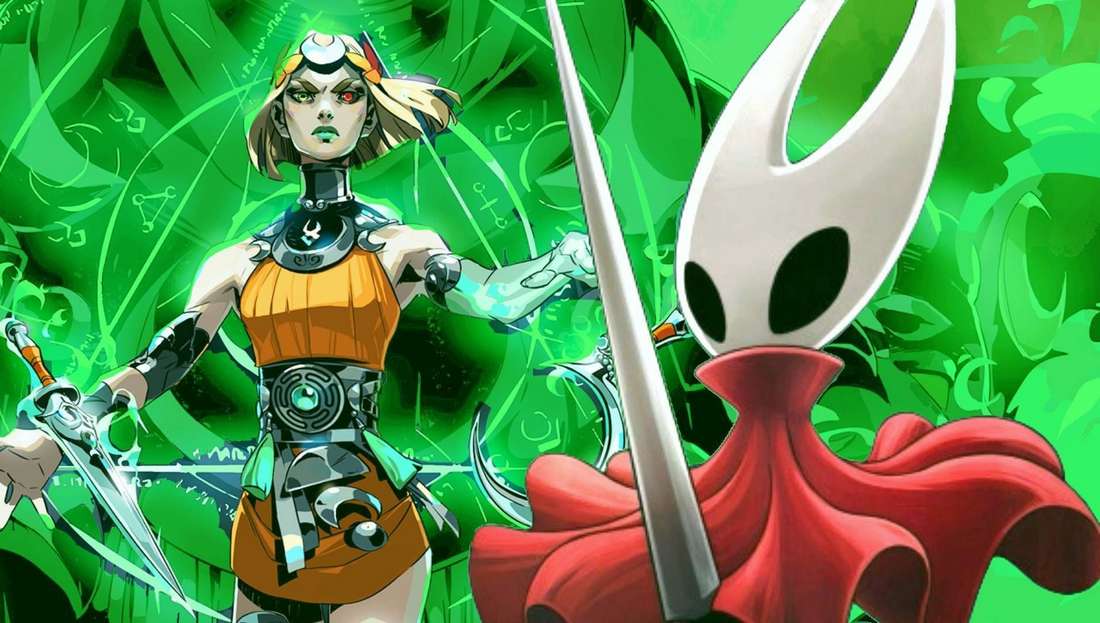
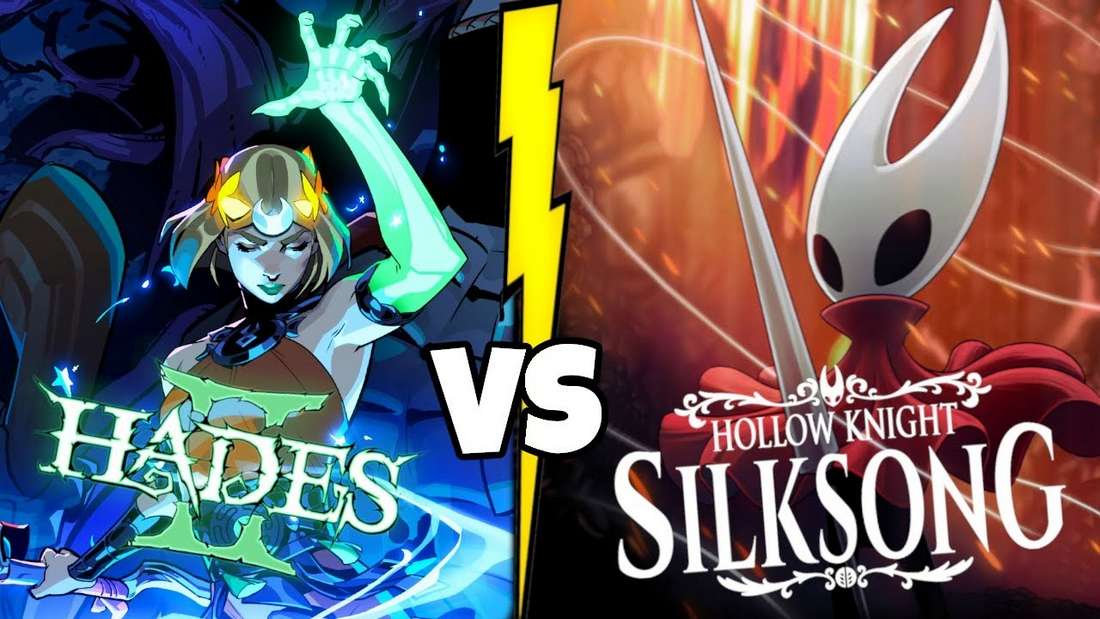
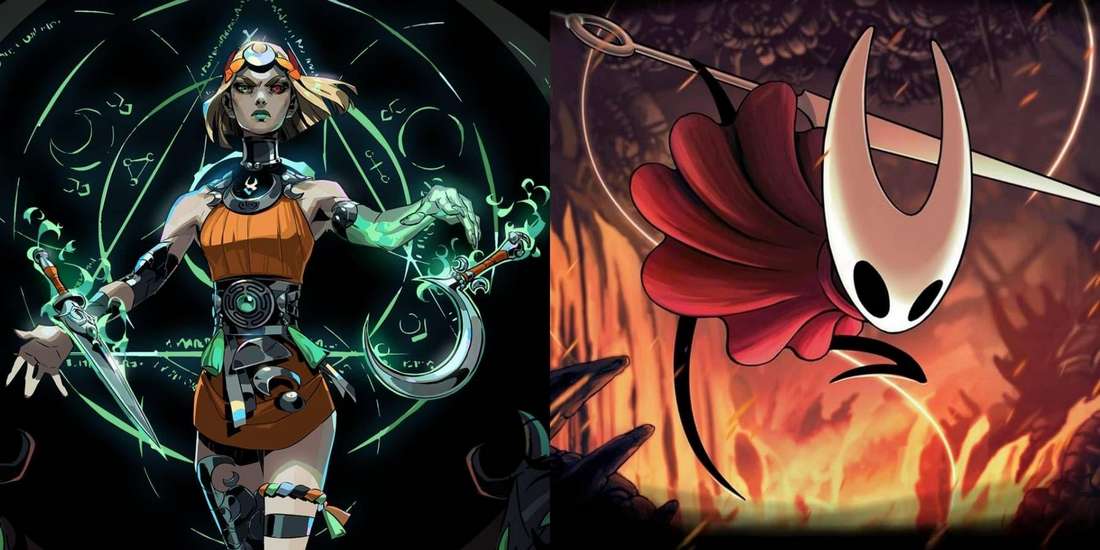
- Hollow Knight: Silksong (Team Cherry)The long-awaited sequel to the beloved Metroidvania, Hollow Knight: Silksong, has been met with near-universal critical adoration following its launch. Its nomination potential stems from its masterful level design, the intricate combat system, and its capacity to deliver an experience that rivals any major publisher production in scope and polish. The massive pre-existing fanbase and the sheer weight of expectation already translate into a massive media presence and significant search volume—metrics that indirectly influence TGA’s voting jury of over one hundred media publications worldwide. It represents the pinnacle of iterative 2D platformer design.
- Blue Prince (Studio)Positioned by many industry analysts as “this year’s *Balatro*,” Blue Prince is an innovative, narrative-driven game that has captured attention with its unique architectural puzzle mechanics and atmospheric presentation. Unlike the high-action spectacle of Silksong, Blue Prince is a more subtle, deeply cerebral experience that appeals to the “Games for Impact” and “Best Narrative” sensibilities of the voting body. Its buzz is a testament to the fact that groundbreaking **game design** can emerge from the smallest of teams, a vital counter-narrative to the prevailing **high-end gaming hardware** focus of the AAA market.
The Power of Critical Acclaim vs. Marketing Spend
The traditional metric for a GOTY nomination has been a combination of massive commercial sales and robust critical reviews. Indie games typically excel at the latter but often fall short on the former due to smaller marketing budgets. However, the influence of social media and dedicated gaming communities has created a new, organic marketing channel. Games that are genuinely unique and exceptional—like Balatro and the current 2025 frontrunners—can achieve “cultural dominance” (to borrow an industry phrase) that is difficult for even the largest software publishers to manufacture.
The Game Awards’ jury system, which accounts for 90% of the final vote, is designed to prioritize critical quality and innovation over raw sales numbers (the public vote is only 10%). If the jury members, who are constantly seeking to reward genuine innovation in the face of franchise fatigue, feel compelled to acknowledge both Silksong and Blue Prince, it would send a clear, powerful signal to the industry: a new era of meritocracy is here. This would be a major news item, solidifying the importance of independent game development as a primary driver of the medium’s evolution.
 Potential Challenges to the Double-Indie Scenario
 Potential Challenges to the Double-Indie Scenario
While the momentum for a double-indie GOTY nomination is strong, challenges remain. The 2025 landscape also features several behemoth contenders that demand attention:
- Clair Obscur: Expedition 33: A highly anticipated RPG that is currently leading nomination counts in other award shows like the Golden Joystick Awards.
- Death Stranding 2: On the Beach: A massive, genre-defying sequel from an iconic developer, Hideo Kojima, whose work typically garners significant TGA attention.
- Kingdom Come 2: Deliverance: A sequel to a critically praised historical RPG, which has already established a strong industry reputation.
These titles, alongside others, represent the immense pressure facing the jury. Yet, the narrative of indie triumph—of passion and creativity overcoming budget—is one that The Game Awards, under Geoff Keighley, has increasingly embraced to maintain relevance and celebrate the full breadth of the medium. The inclusion of two premier indie games in the ultimate line-up would not just be a win for the developers; it would be a win for the entire video game industry ecosystem and its pursuit of diverse, unforgettable experiences.
Strong Takeaway: The nomination of two indie games for Game of the Year would validate the decentralized, innovative future of the industry, signaling a significant evolution in how commercial and critical success are measured at the highest level of gaming awards. The current year’s lineup suggests the opportunity is unprecedentedly high.