
WoW Player Housing: Has Blizzard Finally Found the ‘Sauce’ for Virtual Living Spaces?










Popular Now
 Call of Duty
 PUBG Mobile
 Free Fire
 Geometry Dash
 Counter-Strike 2
 NBA 2K24
 Garena Free Fire: Kalahari
 BeamNG.drive
 FIFA 23
 Fortnite
 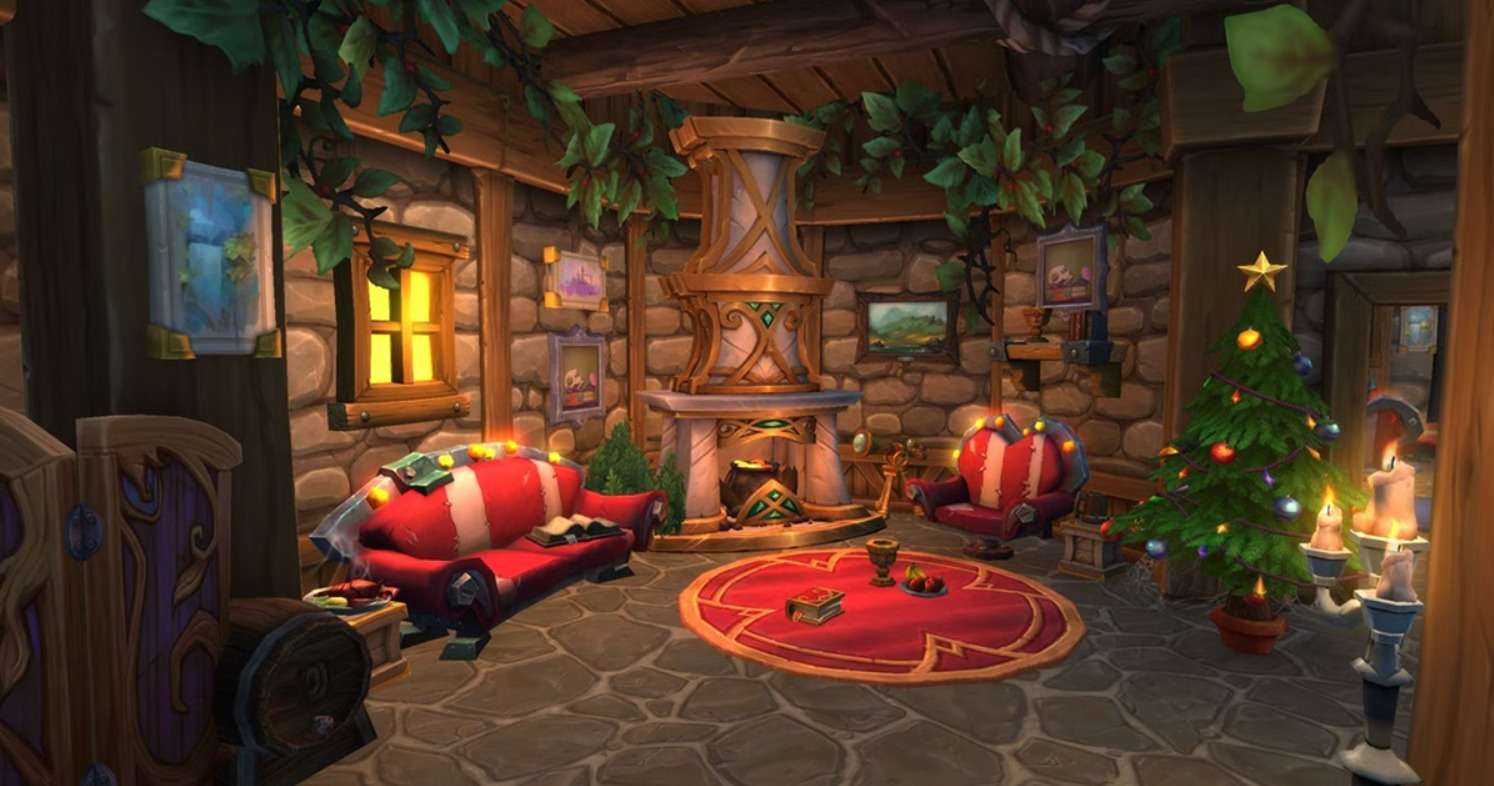 For years, World of Warcraft players have clamored for a robust player housing system. It’s a feature that has become a cornerstone of many competing MMORPGs, offering unparalleled player customization, social hubs, and a sense of permanence in a constantly evolving virtual world. Despite the community’s persistent pleas and various developer teases over the years, a truly satisfying solution has remained elusive in Azeroth. After recent developer interviews and observations from hands-on experiences within the game’s evolving landscape, the critical question remains: has Blizzard finally figured out the secret ingredient, the ‘sauce,’ to make WoW player housing a truly compelling feature?
The concept of player housing in World of Warcraft is not entirely new, nor is it without its past iterations. Most notably, the Warlords of Draenor expansion introduced Garrisons, personal fortresses that offered a unique blend of mission tables, resource generation, and NPC interaction. While innovative at the time, Garrisons ultimately fell short of true player housing. They felt mandatory, isolating players from major cities, and offered limited aesthetic customization or social engagement beyond pre-determined layouts. Similarly, Class Halls in Legion provided a strong thematic base but functioned more as static faction hubs than personal abodes. These past attempts, while well-intentioned, revealed the complexities of integrating such a system into WoW’s established design philosophy.
The Core of Player Housing: What is the ‘Sauce’?
To understand if WoW’s potential housing could succeed, one must first define what makes player housing ‘saucy’ in an MMORPG. It’s more than just a place to park your character; it’s about:
- Personalization and Customization: The ability to genuinely express oneself through decoration, architecture, and interior design. This includes a wide array of furniture, trophies, and structural options.
- Social Hubs: A space for friends and guildmates to gather, interact, and show off their unique creations. Housing should foster community, not isolate it.
- Utility and Functionality: Integration with professions, storage, crafting stations, or even unique buffs that make the house feel integral to gameplay without being mandatory.
- Progression and Collection: A long-term goal for players to collect rare decorations, build impressive structures, and continuously improve their living spaces.
- Sense of Ownership and Permanence: A feeling that this space truly belongs to the player and evolves with their journey through Azeroth.
Without these elements, any housing system risks becoming another forgotten feature, much like the Garrisons before it. The community demands a system that is robust, flexible, and truly reflective of individual player identity.
 Blizzard’s Cautionary Approach and the Current Landscape
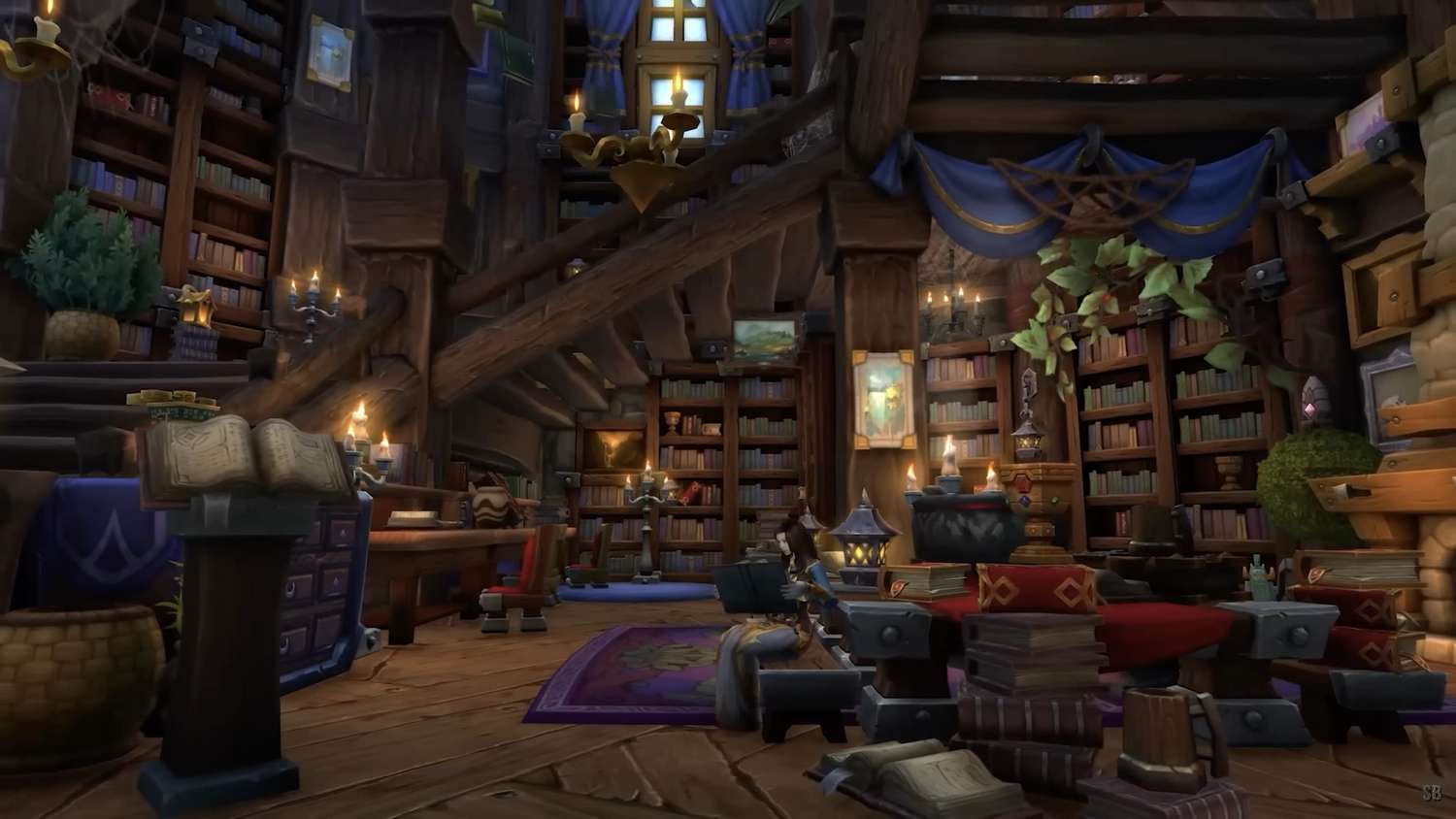 Blizzard’s Cautionary Approach and the Current Landscape
Blizzard has often expressed hesitation about implementing player housing, citing concerns about technical feasibility, server load, and the potential impact on the open world. There’s also the challenge of integrating it seamlessly into a game with nearly two decades of accumulated content and diverse art styles. The developer team has, however, openly acknowledged the persistent player demand. During recent Q&A sessions and developer interviews surrounding the Dragonflight expansion and beyond, the topic of player housing often resurfaces, albeit without concrete commitments.
Current observations within the game reveal a subtle shift in design philosophy that *could* pave the way for housing. Dragonflight introduced a greater emphasis on player agency and exploration, and the renewed focus on crafting and profession specialization could provide a natural utility hook for a housing system. Imagine a master artisan showcasing their rare crafts in a personal workshop or a seasoned explorer displaying trophies from their adventures across Azeroth. These are the narratives that housing could amplify.
Learning from the Competition: What WoW Can Emulate
While WoW remains a titan in the MMORPG space, it can undoubtedly learn from competitors who have excelled in player housing:
- Final Fantasy XIV: Renowned for its instanced housing districts, FFXIV offers plots of land or apartments that players can extensively customize, from wall colors to furniture placement, fostering a thriving virtual real estate market.
- The Elder Scrolls Online: ESO provides numerous distinct homes across various zones, allowing for deep personalization with an array of furnishings earned through quests, crafting, or the Crown Store. Its robust decorating tools are a benchmark.
- Wildstar (RIP): Though the game is no longer active, Wildstar’s housing system was revolutionary, offering sky plots with dynamic plug-and-play modules that allowed for incredible creativity and mini-games.
These examples illustrate that successful housing is about more than just aesthetics; it’s about empowerment and integration. For WoW, the challenge isn’t just to build a house, but to build a home that feels like a natural extension of the player’s journey.
The Road Ahead: Potential Implementations and Challenges
If Blizzard were to commit to a comprehensive player housing system, several approaches could be considered, each with its own set of challenges and benefits:
- Instanced Neighborhoods: Similar to FFXIV, dedicated zones for housing plots could offer high levels of customization and social interaction without burdening the open world. This might require careful consideration of existing zone aesthetics.
- Personal Apartments/Inn Rooms: A more accessible and less resource-intensive option, providing private instanced rooms in major cities. While offering less grandeur, it’s a solid entry point for customization.
- Guild Halls: Expanding on the concept of guild amenities, a customizable guild hall could serve as a central social hub for player guilds, offering shared decorating and utility.
- Hybrid Systems: A blend of instanced housing and perhaps smaller, cosmetic camp kits that can be deployed in certain open-world zones, offering light personalization on the go.
The technical hurdles are significant. Ensuring smooth performance for potentially millions of unique player homes, managing countless decorative items, and integrating a robust customization UI requires substantial development resources. Furthermore, Blizzard would need to strike a delicate balance between making housing appealing and avoiding any perception of it being a ‘pay-to-win’ or ‘pay-to-decorate-all’ feature, which touches upon high-CPC areas like virtual property value and cosmetic monetization strategies.
The economic impact of player housing could also be substantial. It could create new avenues for crafters, increase demand for rare materials, and provide a compelling reason for players to engage with older content to acquire unique decorations. Furthermore, a well-executed housing system could become a significant driver for player engagement and retention, providing long-term goals beyond the typical raid and dungeon cycles.
 The Verdict: Still Unclear, But Hope Persists
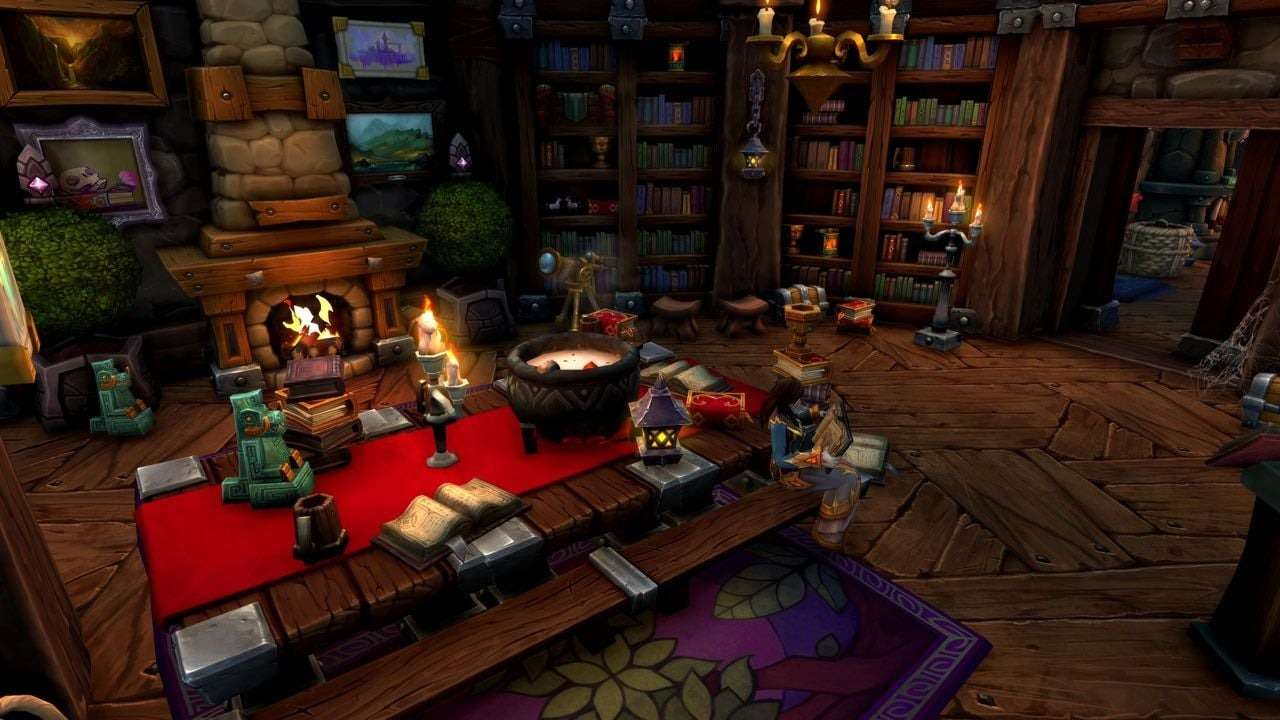 The Verdict: Still Unclear, But Hope Persists
After decades of anticipation and numerous discussions, the question of whether World of Warcraft’s housing will have the ‘sauce’ remains tantalizingly unanswered. While Blizzard has shown an increased willingness to listen to community feedback and innovate within the Dragonflight era, concrete plans for a full-fledged housing system are still absent. The developers understand the magnitude of the request and the high bar set by other games.
For player housing to truly succeed in WoW, it cannot be another Garrison; it must be a vibrant, customizable, and social experience that enhances the player’s journey through Azeroth. It needs to provide meaningful avenues for creative expression, serve as a personal sanctuary, and foster community interaction. The desire for a personal space within Azeroth is stronger than ever, and if Blizzard can deliver a system that genuinely captures the essence of personalized virtual living, it would undoubtedly add a rich, flavorful ‘sauce’ to the already expansive World of Warcraft experience. Until then, players continue to dream of the day they can truly call a corner of Azeroth their own, decorated to their heart’s content, and shared with their closest allies.