
Fallout 4 Ratings Hit All-Time Low: A Deep Dive into Enduring Player Grievances









Popular Now
 Fortnite
 NBA 2K24
 Stumble Guys
 BeamNG.drive
 League of Legends
 Poppy Playtime
 Candy Crush Saga
 Brawl Stars
 EA SPORT FC 25
 EMI Calculator App & Loan EMI
 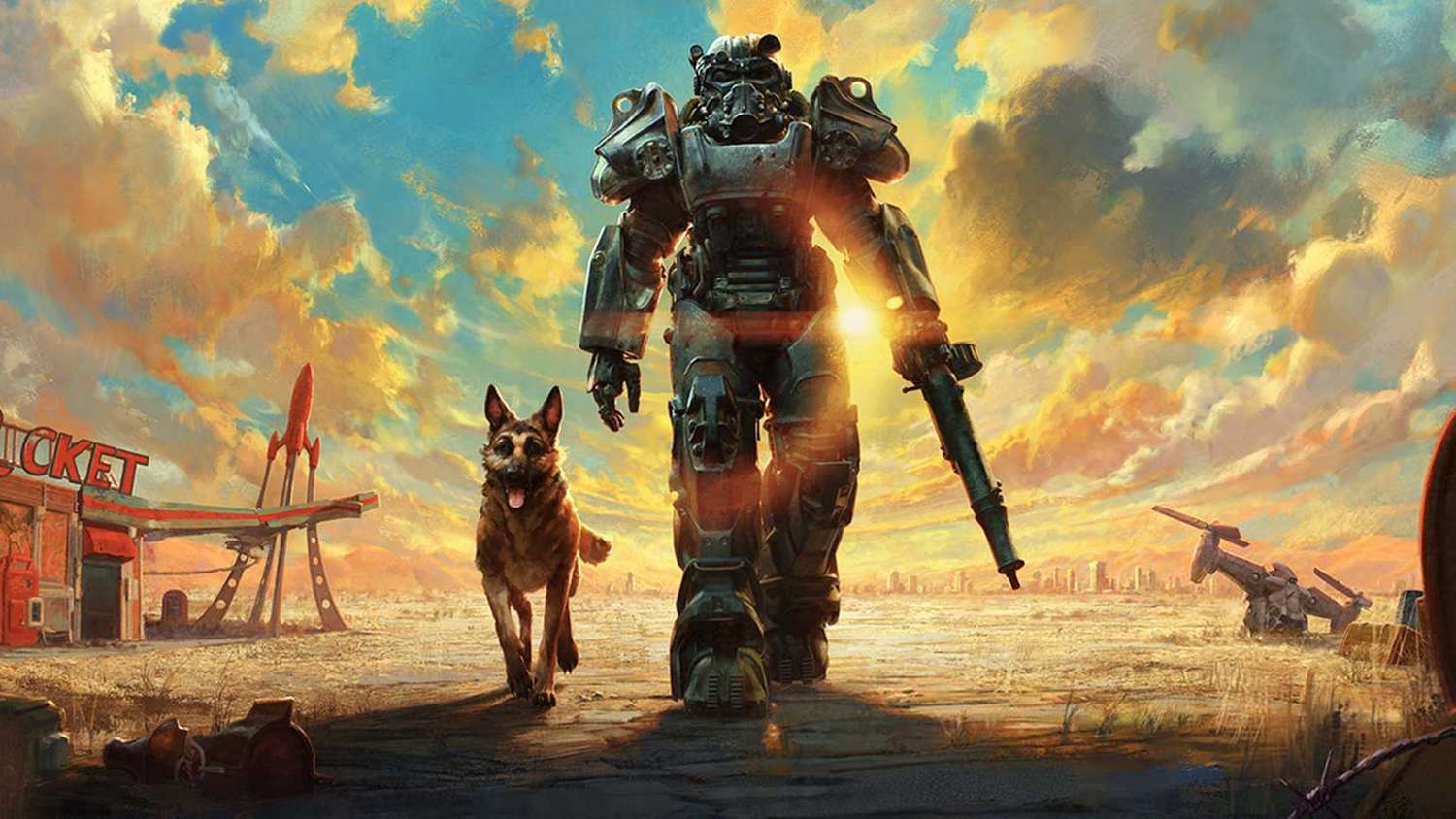 Bethesda Game Studios’ iconic open-world RPG, Fallout 4, has recently registered its lowest cumulative user rating across major platforms, a development that, for many long-time fans and critics, comes as little surprise. Released in 2015 to considerable commercial success and initially positive reviews, the game has slowly seen its public perception erode, culminating in this recent critical nadir. This slump isn’t merely a reflection of changing tastes but rather an exacerbation of foundational criticisms that have plagued the title since its inception. Understanding this downturn requires a thorough examination of its gameplay mechanics, narrative choices, and the evolving landscape of the gaming industry.
The Initial Buzz and Lingering Disappointments
Upon its release, Fallout 4 was lauded for its expansive post-apocalyptic Boston setting, refined gunplay, and the ambitious introduction of a robust settlement building system. Players relished the freedom to explore the Commonwealth, collect resources, and customize their wasteland experience. However, beneath the surface of innovation, a vocal segment of the player base quickly identified significant shortcomings. Critics pointed to a streamlined dialogue system that limited genuine role-playing choices, a main storyline that felt less impactful than its predecessors, and an engine that, even in 2015, showed its age with persistent bugs and performance issues.
The promise of boundless exploration and resource management was often overshadowed by repetitive radiant quests and a perceived lack of meaningful consequences for player actions. While the base game offered hundreds of hours of content, the depth of character development and the moral ambiguities characteristic of previous Fallout titles, particularly Fallout: New Vegas, felt diminished. This disconnect between expectation and execution sowed the seeds of discontent that have now blossomed into widespread dissatisfaction.
Evolving Expectations and Industry Shifts
The gaming landscape has transformed dramatically since Fallout 4’s debut. Players now expect highly polished experiences, deep narrative choices, and robust post-launch support. Titles like The Witcher 3: Wild Hunt, released in the same year, set new benchmarks for narrative depth, player agency, and compelling side quests in open-world RPGs. Subsequent releases from other studios have further elevated player expectations for technical stability, innovative mechanics, and responsive developer engagement.
Furthermore, Bethesda’s own trajectory with titles like Fallout 76 and Starfield has inadvertently cast a harsher light on Fallout 4’s own design philosophies. The community’s experiences with these newer games, often marred by technical issues and controversial design decisions, have led to a re-evaluation of the studio’s earlier works. For many, Fallout 4 now stands as a precursor to some of the issues that would later define Bethesda’s more contentious releases, rather than a shining example of its peak game development capabilities. This historical context plays a significant role in the game’s declining ratings, as current players approach it with a different critical lens.
The Weight of Mechanical Limitations and Narrative Choices
A core grievance revolves around Fallout 4’s mechanical foundation. While its shooting mechanics were arguably the best in the series at the time, the role-playing elements felt significantly pared down. The notorious ‘four-option’ dialogue wheel often funneled players into similar outcomes, regardless of their chosen persona or character build. This stripped away much of the replayability and genuine player agency that fans cherished from earlier installments. The game’s primary focus on settlement building, while a fresh addition, was not universally embraced. For many, it felt like a distraction from core RPG elements, adding micro-management without significantly enhancing the overarching narrative or world immersion.
Key criticisms include: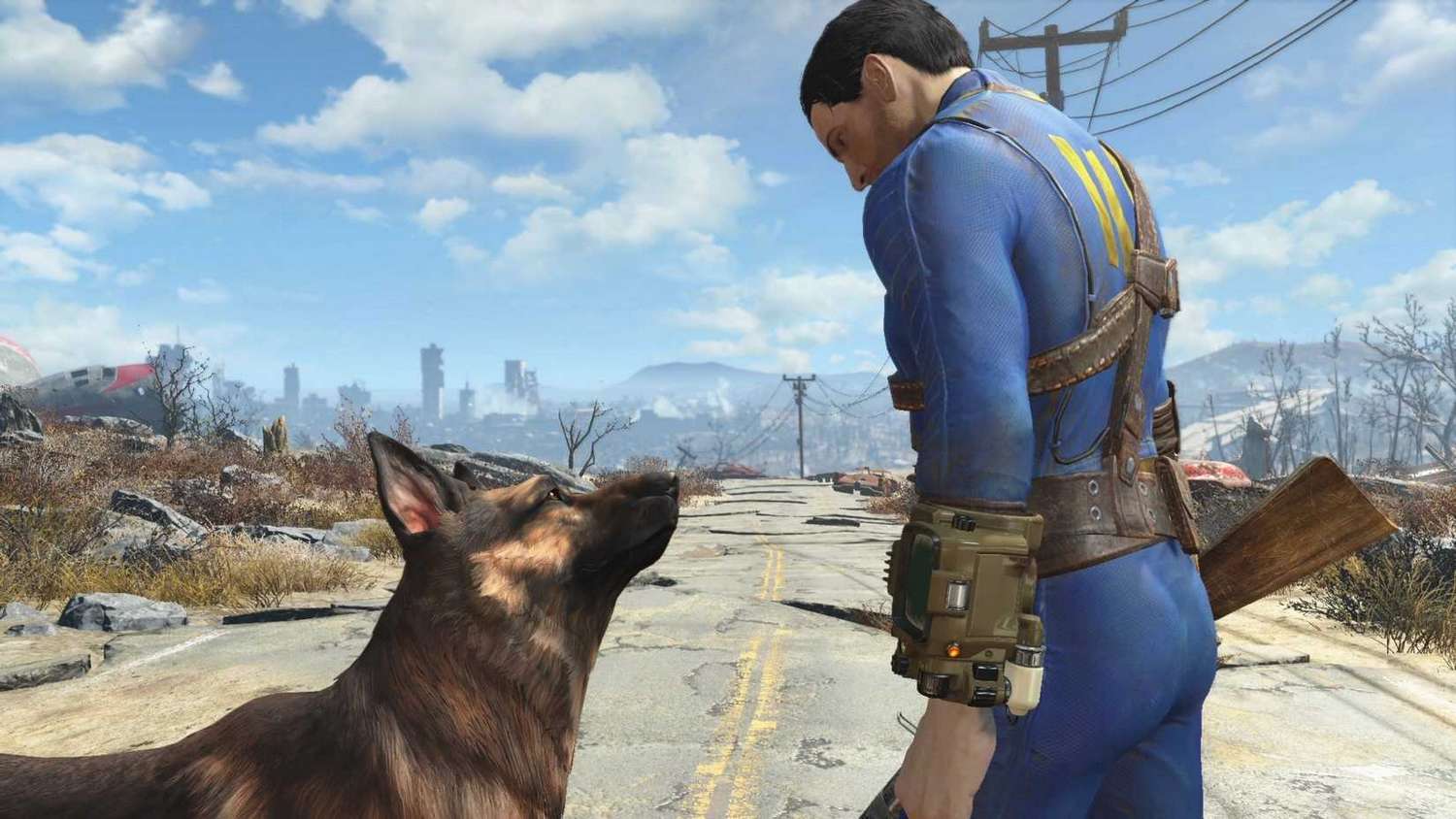
- Simplified Dialogue: Limited player choice and impact on story.
- Repetitive Quest Design: Over-reliance on radiant quests for endgame content.
- Technical Stability: Persistent bugs and performance issues, even years after release.
- Narrative Weakness: A less compelling main storyline compared to previous Fallout games.
- Engine Limitations: An aging game engine impacting graphics and physics.
- Lack of Consequences: Player actions often feel inconsequential to the wider world.
These elements, once overlooked in the initial excitement, have grown into significant barriers for new players and points of frustration for veterans revisiting the Commonwealth. The game’s perceived lack of innovation in core RPG systems, coupled with its dated engine, positions it unfavorably against modern contenders in the demanding open-world genre.
The Modding Community: A Double-Edged Sword
For years, the vibrant modding community has been Fallout 4’s saving grace, extending its lifespan and addressing many of its shortcomings. Mods have improved graphics, added new quests, refined gameplay mechanics, and even entirely overhauled core systems. This dedication from players underscores both the potential of Fallout 4’s world and the community’s desire for a more fulfilling experience than the base game provided.
However, the reliance on mods also highlights the underlying issues. If a game consistently requires extensive community-driven fixes and additions to meet player expectations, it inevitably reflects poorly on the base product. New players, encountering a vanilla experience that struggles with technical stability and dated design, are less likely to invest the time required to curate a mod list. This barrier to entry further contributes to declining user scores, as the ‘out-of-the-box’ experience fails to impress.
Understanding the ‘No Surprise’ Factor
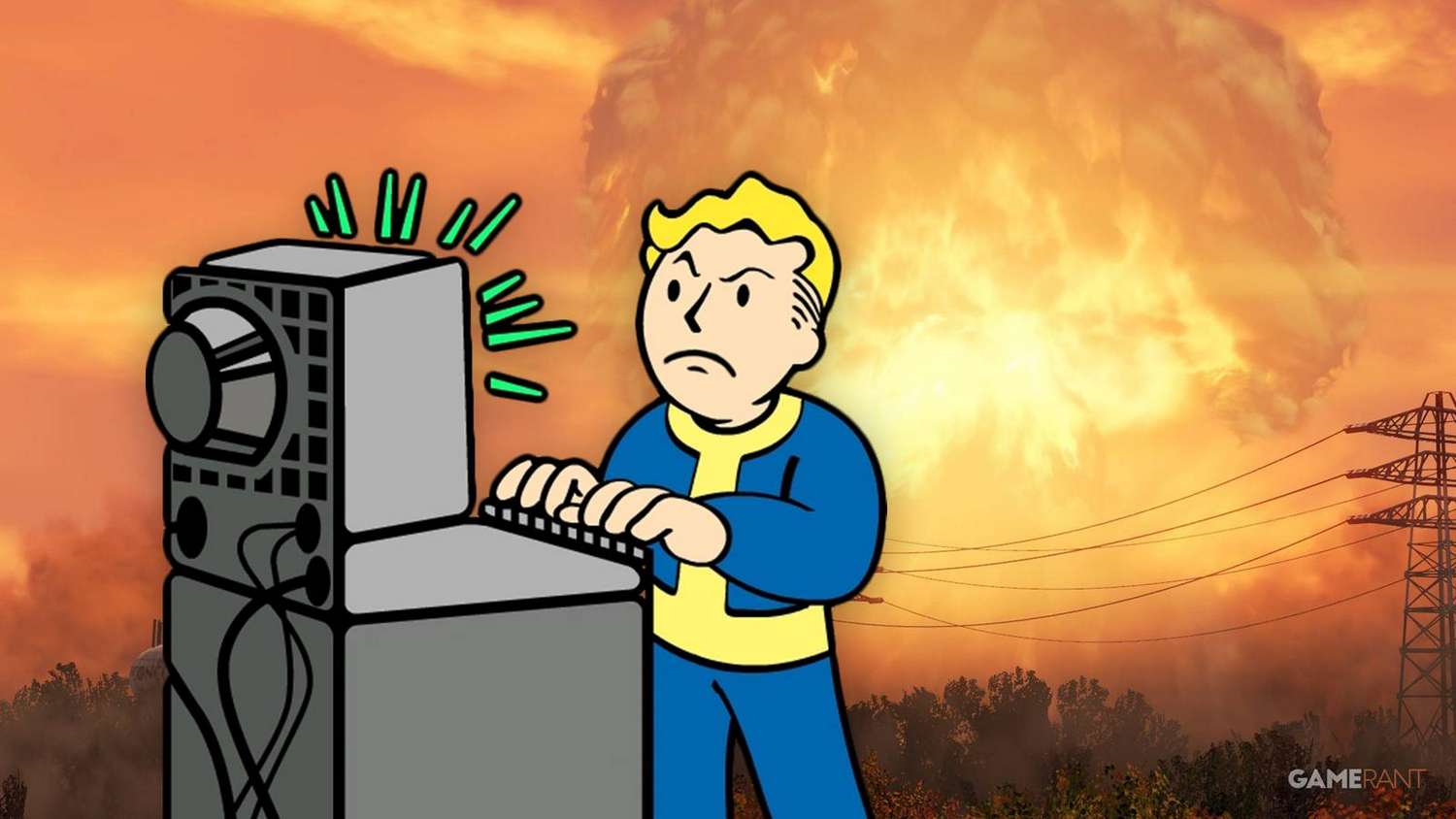
The recent drop to its lowest rating isn’t an overnight phenomenon but the culmination of years of simmering discontent. It reflects a growing consensus among both new and returning players that Fallout 4, despite its initial promise and occasional brilliance, simply doesn’t hold up to contemporary standards or even the high bar set by its own predecessors. The game’s initial strengths, such as its refined shooting and the sheer scale of its world, have been overshadowed by its persistent flaws in narrative depth, RPG mechanics, and technical execution. As the industry advances and player expectations evolve, the long-standing grievances against Fallout 4 have finally coalesced into a definitive verdict.
For Bethesda, this serves as a critical feedback point. The longevity of their single-player RPGs has historically been a hallmark, but this declining sentiment for Fallout 4 suggests that even beloved titles are not immune to re-evaluation in an increasingly competitive market. Moving forward, a renewed focus on core RPG principles, technical polish, and genuine player choice will be paramount for the studio to reclaim its legendary status among the gaming elite.